2436 Foothill Blvd. Suite A Calistoga, CA 94515

7 Key Factors for Successful Root Canal Therapy

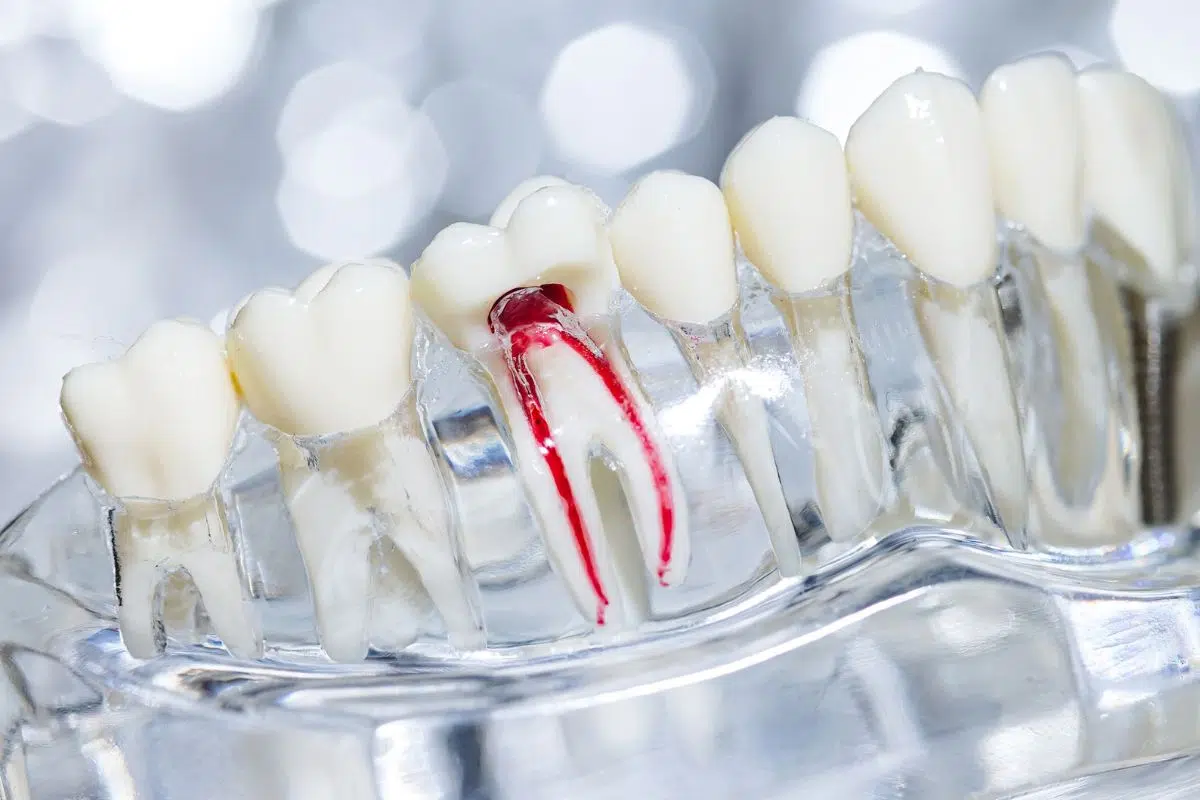
Root canal therapy is a crucial dental procedure that helps save infected or damaged teeth. While it has a reputation for being painful, modern advancements have made the process much more comfortable and effective. However, the success of root canal therapy depends on several factors, from diagnosis to aftercare. If you’re considering root canal therapy in Calistoga, understanding these factors can help ensure a smooth and lasting outcome.
Here are the seven key factors that contribute to a successful root canal treatment:
1. Accurate Diagnosis and Treatment Planning
A successful root canal starts with an accurate diagnosis. A dentist in Calistoga will use X-rays and other diagnostic tools to assess the extent of the infection or decay. Proper planning ensures that all infected tissues are removed, and the tooth structure is preserved. Misdiagnosis or incomplete treatment can lead to recurring infections and complications.
2. Expertise of the Dentist
The skill and experience of the dentist performing the procedure play a critical role in its success. A trained and experienced endodontist or general dentist understands the complexities of root canal anatomy and can navigate the delicate process efficiently. Choosing a qualified professional in Calistoga ensures that your procedure is performed with precision, minimizing discomfort and risks.
3. Use of Advanced Technology and Techniques
Modern dental technology has greatly improved the success rate of root canal therapy. Digital X-rays, 3D imaging, and dental microscopes help dentists visualize the root canals more accurately, ensuring that no infected tissue is left behind. Laser-assisted root canals and rotary endodontic instruments also enhance efficiency and reduce treatment time.
4. Thorough Cleaning and Sealing of Canals
One of the most critical steps in root canal therapy is the complete removal of bacteria and infected pulp. The dentist must thoroughly clean and disinfect the canals before sealing them. Inadequate cleaning can lead to reinfection, causing pain and the need for retreatment. The final sealing process prevents bacteria from re-entering the tooth, ensuring long-term success.
5. Proper Restoration of the Tooth
After a root canal, the affected tooth becomes more fragile and prone to fractures. A well-fitted dental crown or filling is necessary to restore its strength and function. Without proper restoration, the tooth may become weak, leading to potential damage in the future. Your dentist in Calistoga will recommend the best restorative option based on your specific needs.
6. Post-Treatment Care and Hygiene
Good oral hygiene and post-treatment care significantly impact the success of a root canal. Patients should follow their dentist’s instructions regarding brushing, flossing, and using prescribed medications. Avoiding hard or sticky foods immediately after treatment helps protect the restored tooth. Regular dental checkups also ensure that the tooth remains in good condition.
7. Overall Oral Health and Lifestyle Choices
Your overall oral health and lifestyle habits contribute to the long-term success of root canal therapy. Conditions such as gum disease, teeth grinding (bruxism), and smoking can negatively impact the treated tooth. Addressing these issues and maintaining a healthy diet can improve the longevity of the root canal treatment.
Conclusion
Root canal therapy is an effective solution for saving a damaged tooth, but its success depends on multiple factors. By choosing a skilled dentist in Calistoga, following proper aftercare, and maintaining good oral hygiene, you can ensure that your root canal treatment lasts for many years. If you’re experiencing tooth pain or suspect an infection, consult a professional to discuss your treatment options.
Would you like to learn more about root canal therapy in Calistoga? Schedule a consultation with a trusted local dentist today!