2436 Foothill Blvd. Suite A Calistoga, CA 94515

If you want to restore your smile with dental implants, always consult a dentist to know if a bone graft is required beforehand. Set up a visit with us to learn more - our examination and X-rays will help us consider what's best for you regarding the procedure. You can easily book an appointment by giving us a call at (707) 709-6058. Calistoga Dental Group is your one-stop office covering all aspects of dental implants.
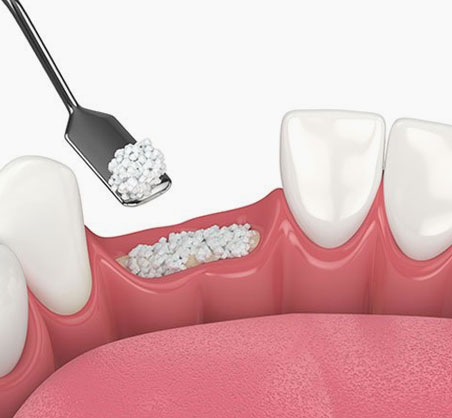
Is Bone Grafting Necessary for Dental Implants?
If you have experienced a reduction in bone density that has led to your jawbone not being thick enough for an implant, know that this is commonly caused by resorption. Within a year of tooth loss, up to 25 percent of the bone density in the affected area can be lost. When teeth are gone, there is no longer the same stimulation level as when they were present. Consequently, calcium from the jaw is taken and used elsewhere in the body. If you anticipate losing a tooth, don't wait to make an appointment with us; there may be steps you can take to restrict or even prevent resorption.
Periodontal (gum) disease, developmental defects, injury or decay, and infections can also lead to loss of bone density. Regular dental care can help reduce these risks. The dental implant is a small titanium post we surgically attach to the jawbone under your gums, replacing teeth. A bone grafting procedure can increase the density of your jawbone so that the titanium post fits perfectly.
New Patients & Emergency
Appointments Welcome! Contact Us Today.
How does Bone Grafting Work on Patients?
For this procedure, you will likely be put to sleep. The area of your gums and any part from which bone is removed will be numbed with anesthesia. As dental surgeons, we will make an incision in the gum tissue, creating a flap to reveal the bone. We will then decide how much bone needs to be placed there. To extract bone from a different area, we often recommend another incision. Once the grafting material has been put into the gap, it'll be sutured up. To ensure the new block of bone stays in place, we may use a titanium screw. Additionally, some surgeons may use a membrane or other grafting material around it before closing and suturing the area.
Give Us a Call and Get a Bone Graft for Dental Implants
We recommend you visit Calistoga Dental Group for bone grafting procedures and dental implants under one roof. As these are highly specialized procedures, you don't need to consult multiple dental offices and choose us instead.
You can find out if you need a bone grafting procedure by calling us at (707) 709-6058 and scheduling an appointment. Once we scan your mouth with X-rays, our team can confirm if your bone lacks density. Then we will tell you if you need a specialist and make a recommendation.