2436 Foothill Blvd. Suite A Calistoga, CA 94515

Safe Teeth Whitening Solutions for a Brighter Smile Without Sensitivity


Having a bright, white smile can make a huge difference in your confidence. However, for people with sensitive teeth, the idea of teeth whitening can seem daunting due to the potential for discomfort or increased sensitivity. The good news is that there are safe and effective teeth-whitening solutions specifically designed for individuals with sensitive teeth. In this blog, we’ll explore what causes teeth sensitivity, why it happens during whitening treatments and safe options for achieving a brighter smile without the pain.
Understanding Tooth Sensitivity
Tooth sensitivity occurs when the protective layer of enamel on the teeth becomes thin or when gums recede, exposing the underlying dentin layer. The dentin contains tiny tubules that connect to the nerves of the teeth. When exposed to certain stimuli—such as hot or cold food, air, or whitening agents—these tubules allow the sensation to reach the nerves, resulting in discomfort or pain.
Why Does Teeth Whitening Cause Sensitivity?
Many traditional teeth whitening products contain peroxide-based bleaching agents. While effective at breaking down stains on the surface of the teeth, these chemicals can sometimes penetrate the enamel, irritating the dentin and nerves. This is why some people experience heightened sensitivity after using over-the-counter or professional whitening treatments.
However, sensitivity from whitening treatments is typically temporary and should subside after a few days. If you have chronic tooth sensitivity, it’s important to discuss this with your dentist before pursuing any whitening options.
Safe Teeth Whitening Options for Sensitive Teeth
If you have sensitive teeth, there are still plenty of whitening solutions that can brighten your smile without causing unnecessary discomfort. Below are some safe and effective options:
1. Desensitizing Toothpaste
Desensitizing toothpaste is a great option for those who want to whiten their teeth gradually while managing sensitivity. These toothpastes contain compounds like potassium nitrate or strontium chloride, which block pain signals from the tooth’s surface to the nerves.
Many desensitizing toothpastes also come with mild whitening ingredients to gently remove surface stains over time. This can be a good starting point if you’re concerned about using stronger whitening treatments.
2. Whitening Toothpaste for Sensitive Teeth
There are whitening toothpastes specifically formulated for sensitive teeth. These toothpastes contain lower concentrations of abrasive ingredients and bleaching agents, making them gentler on your enamel. Look for products labeled for sensitivity and whitening to ensure you’re using a solution designed for your needs.
Keep in mind that whitening toothpastes may not deliver dramatic results as quickly as stronger treatments, but they can still help remove surface stains and gradually lighten the shade of your teeth.
3. Whitening Strips for Sensitive Teeth
Whitening strips are a popular at-home option, and there are versions formulated specifically for people with sensitive teeth. These strips contain a lower concentration of hydrogen peroxide or carbamide peroxide, reducing the likelihood of irritation.
When using whitening strips, be sure to follow the instructions carefully. Avoid leaving them on for longer than the recommended time, as this can lead to increased sensitivity. Most sensitive strips are designed for gradual whitening, so be patient as you work toward your desired results.
4. Take-Home Whitening Kits from Your Dentist
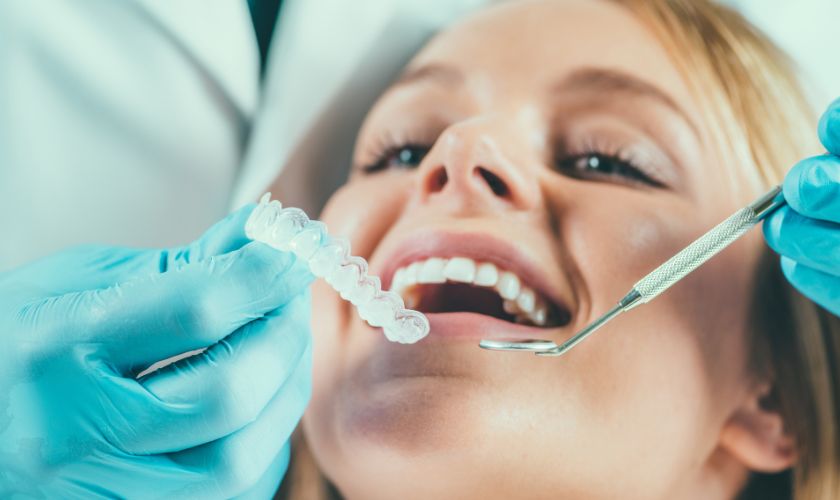
If you prefer a more personalized approach, talk to your dentist about custom take-home whitening kits. Your dentist can provide you with whitening trays molded to your teeth and a whitening gel that is safe for sensitive teeth.
The benefit of working with your dentist is that they can adjust the concentration of the whitening gel to suit your needs. Custom trays ensure that the gel is evenly distributed, preventing overexposure to sensitive areas.
5. In-Office Whitening Treatments
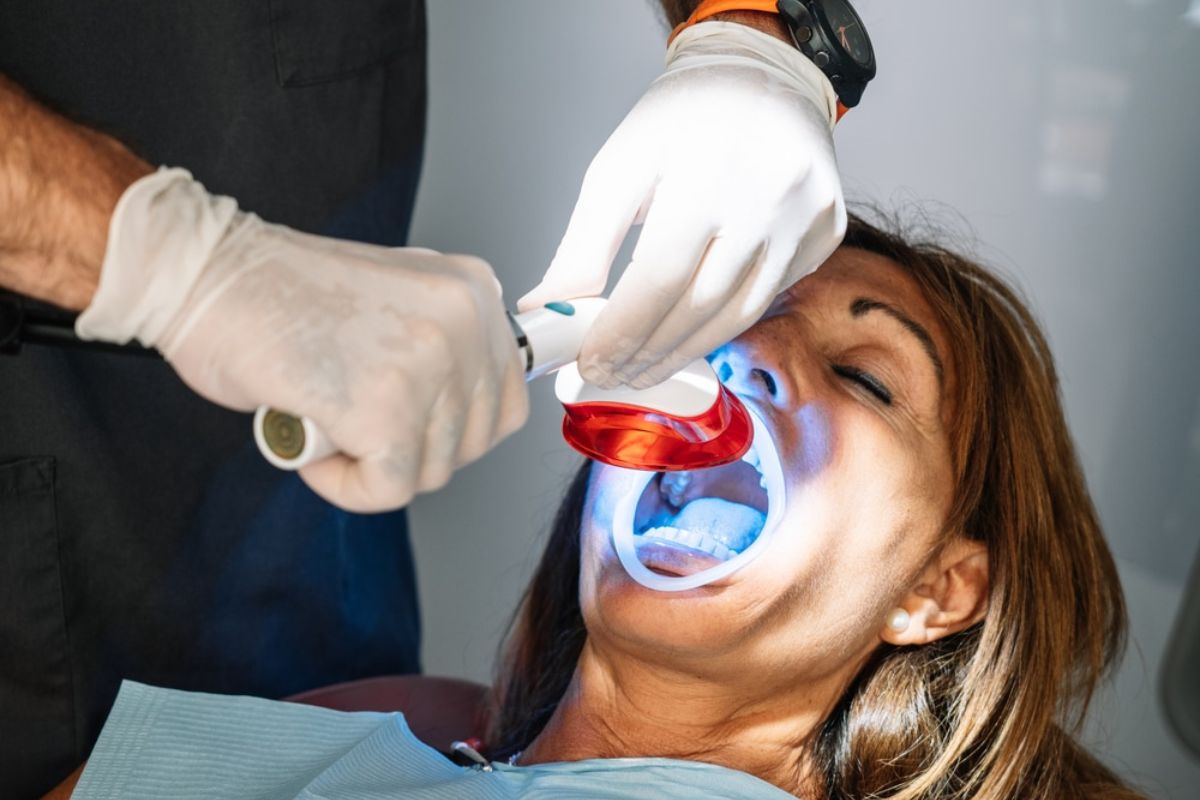
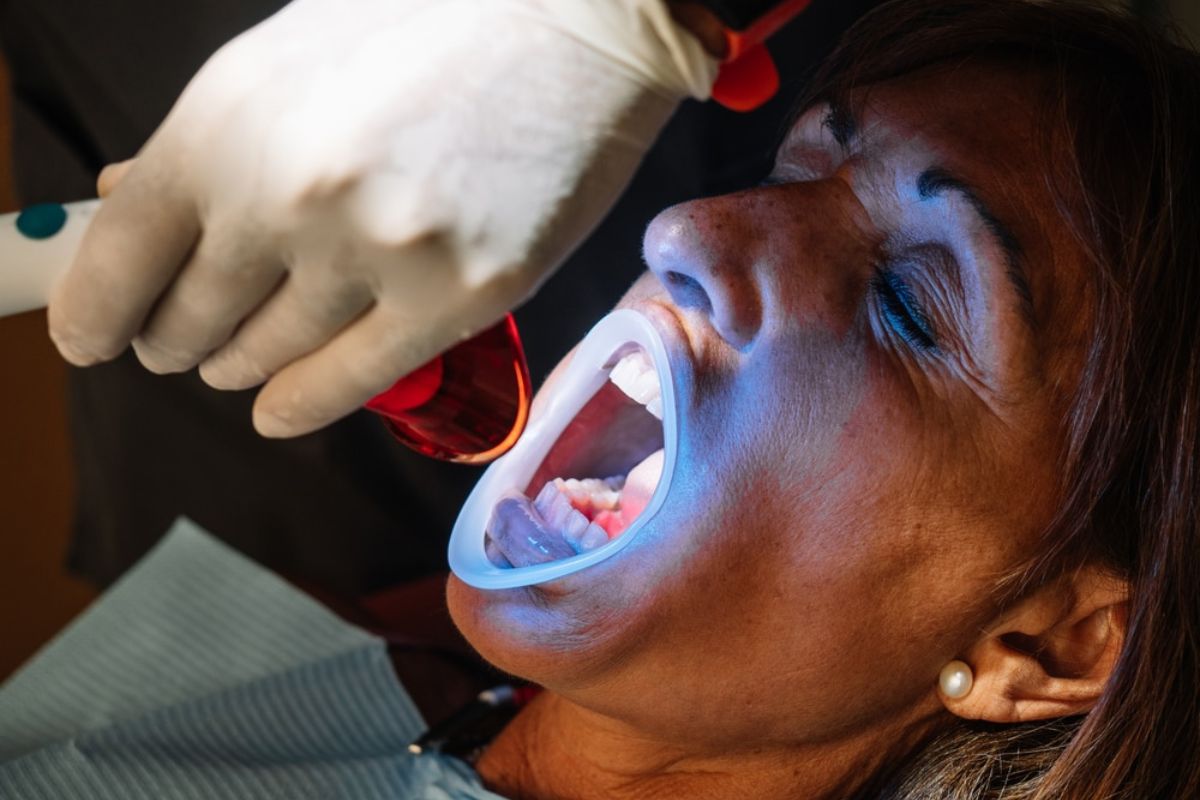
Professional teeth whitening done at a dental office can be a safe and effective option for people with sensitive teeth. Dentists often use higher-quality materials and have access to whitening products that are not available over the counter. In-office treatments are quicker, and dentists can apply protective barriers to shield sensitive areas of the teeth and gums during the process.
Additionally, your dentist may apply a desensitizing agent before the whitening treatment to reduce discomfort. After the treatment, your dentist can provide specific aftercare instructions to minimize any sensitivity.
Tips for Reducing Sensitivity During and After Whitening
To make the teeth whitening process more comfortable, there are several strategies you can implement:
- Use a Desensitizing Gel or Toothpaste Before Whitening: Using these products for a few weeks before starting whitening treatments can help reduce sensitivity. These gels and toothpastes block pain signals, making the whitening process less irritating.
- Avoid Acidic and Hot/Cold Foods After Treatment: For a day or two after whitening, avoid consuming very hot, cold, or acidic foods and drinks. These can exacerbate sensitivity and cause discomfort.
- Take Breaks Between Treatments: If you are using at-home whitening kits or strips, avoid using them back-to-back. Give your teeth a few days to recover between treatments to prevent over-sensitizing them.
- Talk to Your Dentist About Fluoride Treatments: Fluoride can help strengthen your enamel and reduce sensitivity. Ask your dentist about receiving a fluoride treatment either before or after your whitening procedure.
- Rinse with Lukewarm Water: Cold water can trigger sensitive teeth. After brushing or rinsing, use lukewarm water to avoid discomfort.
When to Consult Your Dentist
If you experience extreme sensitivity or pain during or after a whitening treatment, it’s essential to consult your dentist. Prolonged sensitivity could indicate an underlying issue, such as enamel erosion, cavities, or gum disease, which should be addressed before continuing whitening treatments.
A dentist will also be able to guide you toward the safest and most effective whitening solutions for your specific level of sensitivity. By working closely with your dentist, you can achieve a brighter smile without compromising your oral health or comfort.
Conclusion
Having sensitive teeth doesn’t mean you have to give up on achieving a bright, white smile. With the right products, techniques, and care, you can safely whiten your teeth while minimizing discomfort. Whether you opt for over-the-counter solutions or professional treatments, it’s essential to choose options specifically formulated for sensitivity and consult with Calistoga Dental Group for the best results.
By following these tips and exploring sensitive teeth whitening options, you’ll be on your way to a brighter, more confident smile in no time!