2436 Foothill Blvd. Suite A Calistoga, CA 94515

Types of Dental Crowns: Which One Is Right for You?


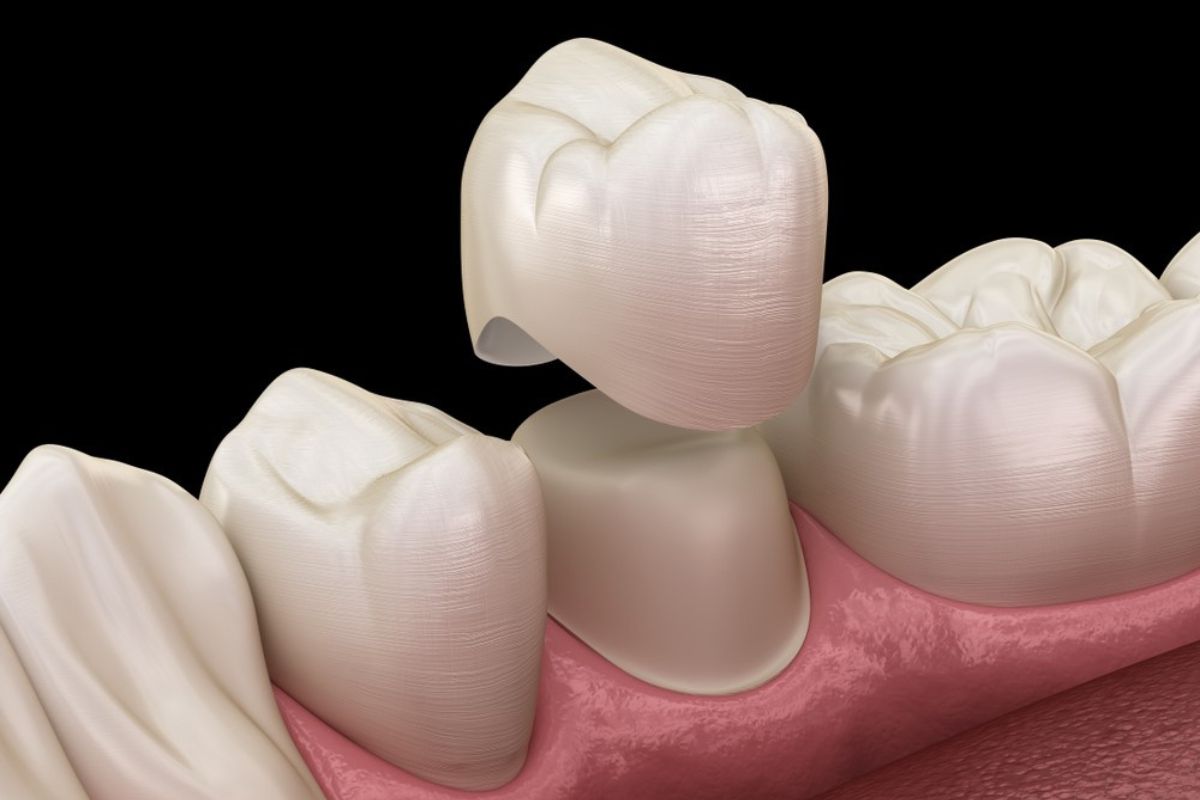
Dental crowns are a popular restorative treatment that can help protect and restore damaged teeth, improve aesthetics, and enhance overall oral health. With several types of dental crowns available, choosing the right one can be overwhelming. Understanding the different materials and their benefits can help you make an informed decision tailored to your specific dental needs.
1. Metal Crowns
Metal crowns are made from materials such as gold, palladium, or other alloys. These crowns are known for their strength and durability, making them an excellent choice for molars or teeth that experience significant biting pressure.
Advantages:
- Durability: Metal crowns can withstand wear and tear, making them ideal for back teeth.
- Less Tooth Reduction: They require less removal of the natural tooth structure compared to other types of crowns.
- Long Lifespan: Metal crowns typically last longer than other materials.
Disadvantages:
- Aesthetic Concerns: Their metallic color makes them less suitable for visible teeth.
- Sensitivity: Some patients may experience metal sensitivity.
2. Porcelain-Fused-to-Metal (PFM) Crowns
Porcelain-fused-to-metal crowns combine the strength of metal with the aesthetics of porcelain. The metal base provides durability, while the porcelain exterior mimics the appearance of natural teeth.
Advantages:
- Natural Appearance: PFM crowns can be color-matched to your natural teeth, making them more aesthetically pleasing than metal crowns.
- Strength: They offer a good balance of durability and beauty, suitable for both front and back teeth.
Disadvantages:
- Potential for Chipping: The porcelain layer can chip or break under excessive force.
- Gum Line Visibility: Over time, the metal base may become visible at the gum line, especially if gum recession occurs.
3. All-Ceramic Crowns
All-ceramic crowns are made entirely of ceramic material, making them an excellent choice for patients seeking a natural-looking restoration. These crowns are particularly popular for front teeth, where aesthetics are a priority.
Advantages:
- Aesthetic Appeal: All-ceramic crowns closely resemble the natural translucency of teeth, providing a seamless look.
- Biocompatibility: They are more compatible with gum tissue, reducing the risk of irritation or allergic reactions.
Disadvantages:
- Less Durable: They may not be as strong as metal crowns, making them less suitable for high-pressure areas like molars.
- Cost: All-ceramic crowns can be more expensive than other options.
4. Zirconia Crowns
Zirconia crowns are made from a strong, durable material called zirconium oxide. They combine the aesthetics of ceramic crowns with the strength of metal, making them an increasingly popular choice in modern dentistry.
Advantages:
- Strength and Durability: Zirconia crowns are exceptionally strong and can withstand significant chewing forces.
- Natural Appearance: They offer excellent aesthetic results and can be customized to match the color of your natural teeth.
- Less Tooth Reduction: They often require less tooth structure to be removed compared to other materials.
Disadvantages:
- Cost: Zirconia crowns can be more expensive than traditional options.
- Complexity: The process for placing zirconia crowns can be more involved, requiring advanced technology.
5. Resin Crowns
Resin crowns are made from composite materials and are often used as temporary crowns. While they are not as durable as other options, they can be a cost-effective solution for short-term use.
Advantages:
- Affordability: Resin crowns are typically less expensive than other materials.
- Aesthetic Flexibility: They can be customized to match the color of surrounding teeth.
Disadvantages:
- Durability: They are not as strong and may wear down faster than other types of crowns.
- Limited Longevity: Resin crowns are often used temporarily and may require replacement sooner than other materials.
Choosing the right dental crown depends on various factors, including the location of the tooth, your aesthetic preferences, and your budget. Consulting with your dentist is crucial to determine which type of crown is best for your individual needs. Whether you opt for the strength of metal, the natural look of all-ceramic, or the durability of zirconia, understanding your options can help you achieve a healthy and beautiful smile.