2436 Foothill Blvd. Suite A Calistoga, CA 94515

8 FAQs About Dental Crowns Answered

If you’ve been told you need a dental crown, you probably have questions. Dental crowns are a common restorative treatment, but many patients aren’t sure what to expect. Whether you’re wondering about the procedure, longevity, or care, we’ve got you covered! Here are the top eight frequently asked questions about dental crowns, answered in a clear and simple way.
1. What Is a Dental Crown?
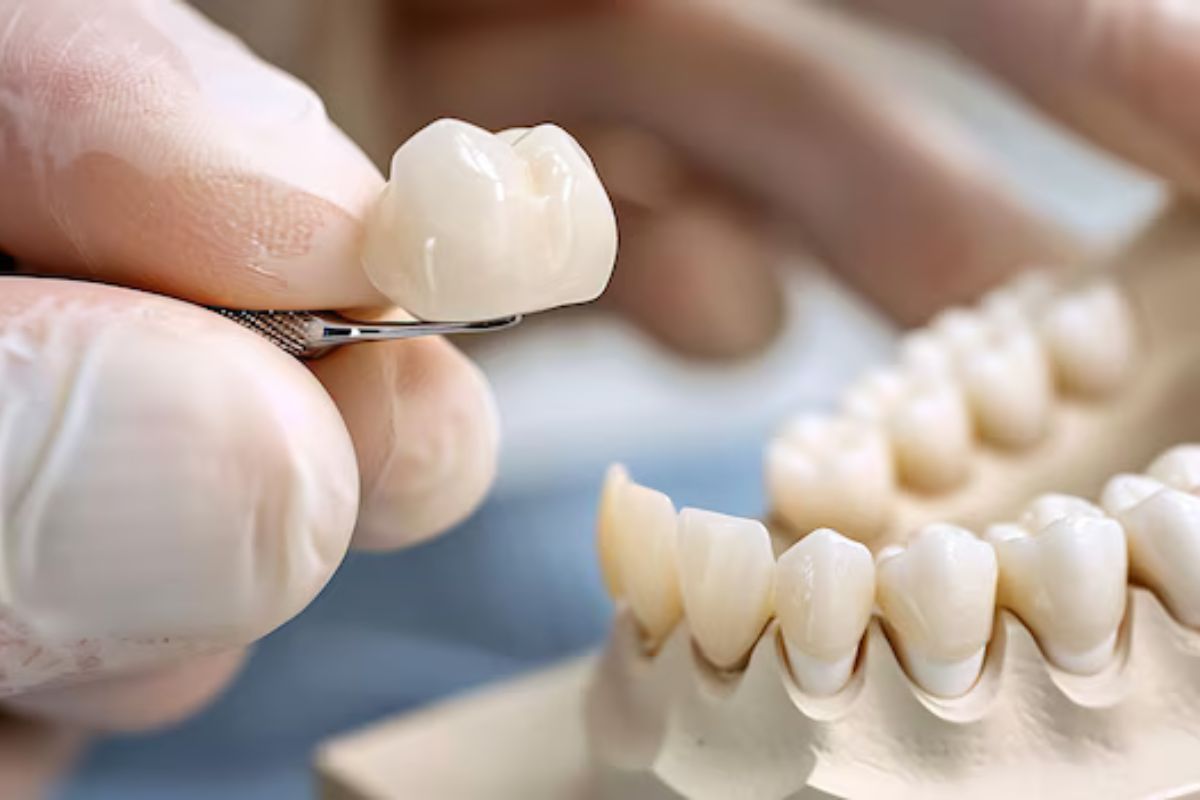
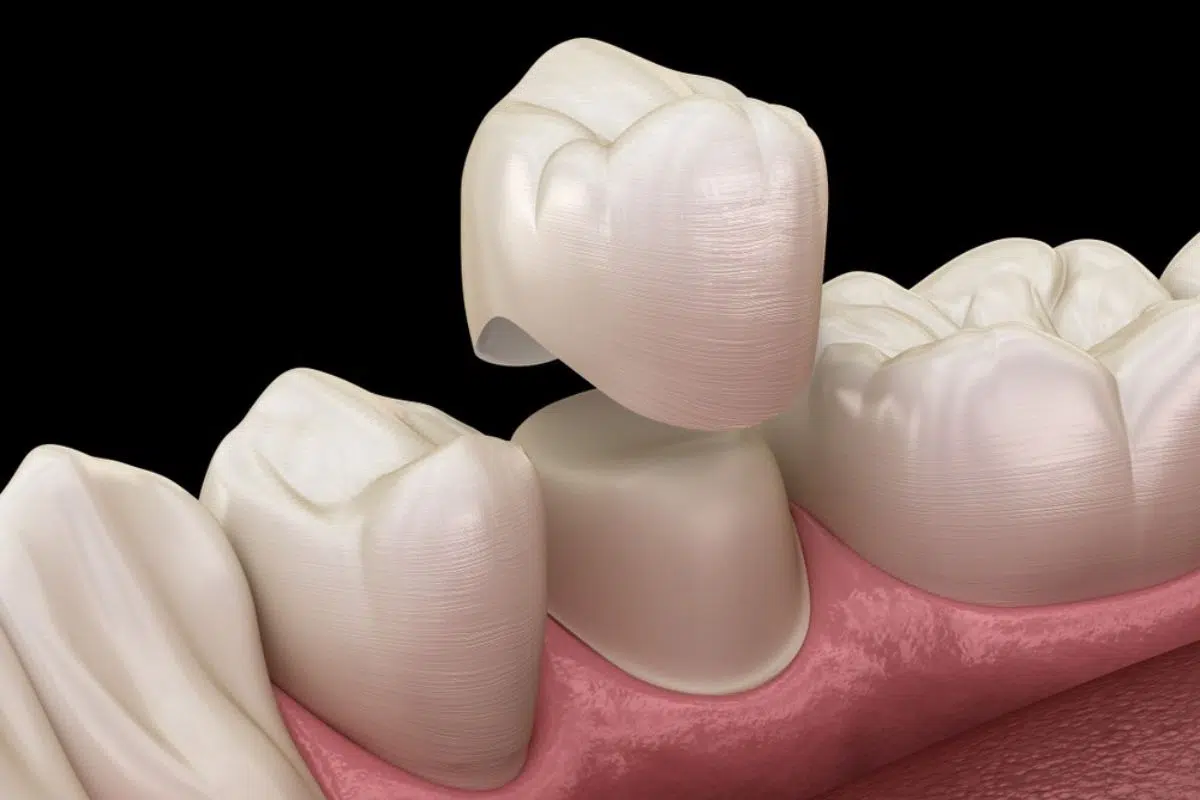
A dental crown is a protective cap placed over a damaged or weakened tooth to restore its shape, strength, and function. It completely covers the visible portion of the tooth above the gumline, giving it a natural appearance while reinforcing its structure.
2. When Do You Need a Dental Crown?
A dentist may recommend a crown for several reasons, including:
- Protecting a tooth after a large filling or root canal
- Restoring a cracked, chipped, or severely worn-down tooth
- Covering a discolored or misshapen tooth for cosmetic improvement
- Supporting a dental bridge or covering a dental implant
If your tooth is compromised but still salvageable, a crown can provide long-term stability and protection.
3. What Are Dental Crowns Made Of?
Dental crowns come in different materials, each with its benefits:
- Porcelain or ceramic – Natural-looking and best for front teeth
- Metal (gold or silver alloys) – Extremely durable and ideal for molars
- Porcelain-fused-to-metal (PFM) – A balance of strength and aesthetics
- Zirconia – Highly durable with a tooth-colored appearance
Your dentist will recommend the best material based on the location of the tooth and your specific needs.
4. How Long Do Dental Crowns Last?
On average, dental crowns in Calistoga last between 10 to 15 years, but with excellent care, they can last even longer. Factors that affect their longevity include:
- Oral hygiene habits
- Diet and chewing habits (avoiding hard foods and grinding teeth)
- Regular dental check-ups
Good oral care and routine dental visits will help extend the life of your crown.
5. Does Getting a Dental Crown Hurt?
The procedure itself is not painful since your dentist will numb the area with local anesthesia. After the procedure, you may experience mild discomfort or sensitivity for a few days, but this typically subsides quickly.
6. How Do You Take Care of a Dental Crown?
Caring for a dental crown is simple and similar to taking care of your natural teeth. Follow these tips:
- Brush twice a day with a fluoride toothpaste
- Floss daily to remove plaque around the crown
- Avoid chewing hard candies or ice to prevent damage
- Visit your dentist regularly for professional cleanings and check-ups
Proper care will ensure your crown stays in great shape for years.
7. Can a Crowned Tooth Get a Cavity?
Yes! While the crown itself isn’t susceptible to cavities, the tooth underneath can still develop decay, especially near the gumline. Good oral hygiene is essential to keep your natural tooth healthy and free from bacteria buildup.
8. Where Can I Get Quality Dental Crowns?
If you’re looking for dental crowns in Calistoga, it’s important to choose a trusted dental professional who uses high-quality materials and the latest techniques. A skilled dentist will ensure your crown looks natural and functions perfectly.Dental crowns are a fantastic solution for restoring and protecting damaged teeth. Whether you need one for function, aesthetics, or both, they offer long-term durability and a natural appearance. If you think you may need a crown, don’t wait—schedule an appointment with a qualified dentist to keep your smile healthy and strong!