2436 Foothill Blvd. Suite A Calistoga, CA 94515

How to Ensure Long-Term Dental Health with Preventive and Restorative Care: Guide for Calistoga Residents

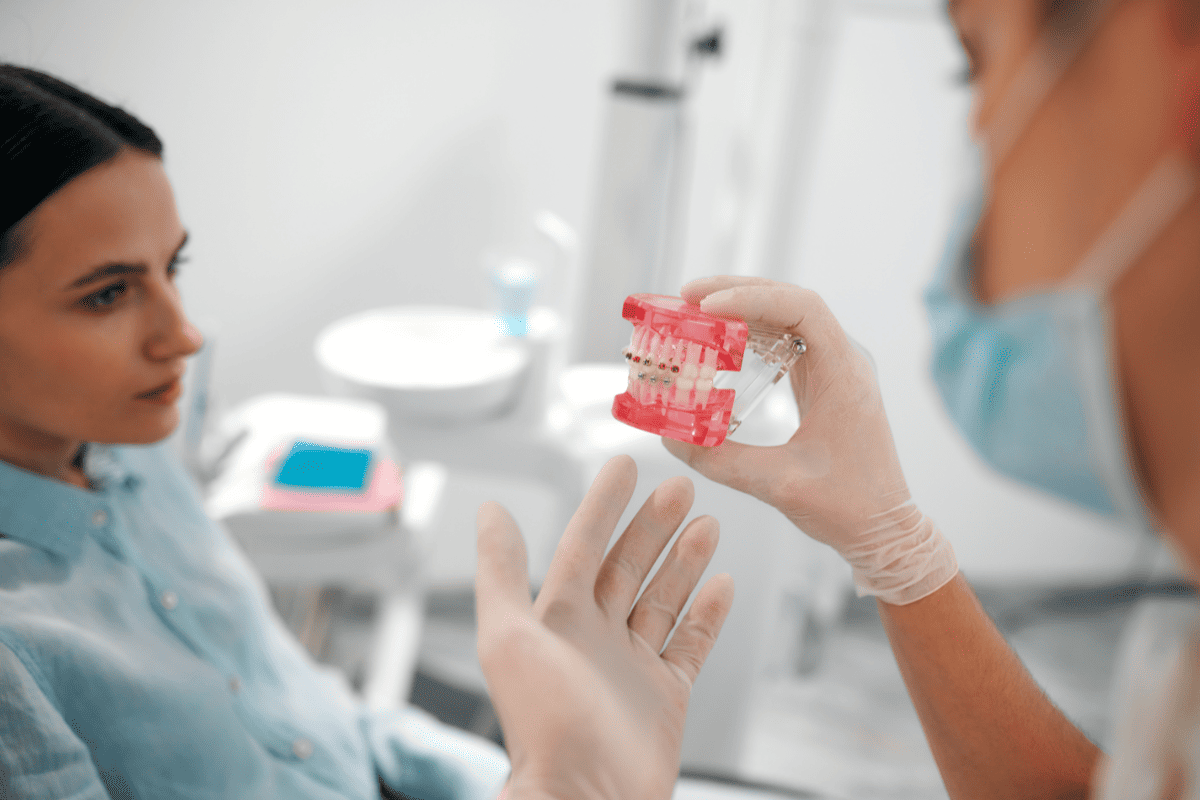
Have you ever wondered why some people maintain strong, healthy smiles for decades while others struggle with recurring dental problems? In many cases, the difference comes down to consistent preventive care and timely restorative treatment. Regular dental visits allow dental practitioners to closely monitor oral health, identify early warning signs, and address minor issues before they become more complex concerns.
Preventive and restorative dentistry work together to support long-term oral health. Preventive care focuses on protecting teeth and gums from disease, while restorative treatments repair damage caused by decay, injury, or everyday wear. Combining these approaches helps patients retain their natural teeth and avoid extensive future dental procedures. For residents seeking comprehensive dental care, Calistoga dentists play an important role.
Professional dental care provides both preventive and restorative solutions tailored to individual needs. At Calistoga Dental Group, we prioritize early detection, personalized treatment, and modern techniques to help patients maintain healthy smiles. Knowing how preventive and restorative dental services work together can help patients make informed decisions about their dental health and keep their smiles bright for years.
Why Patients Seek Preventive and Restorative Dental Care?
Many people in Calistoga visit the dental practitioner because they want to protect their oral health and avoid serious dental problems. Preventive and restorative dental services address these goals by focusing on early protection and effective repair when necessary.
Preventing Cavities and Gum Disease
One of the most common reasons patients schedule regular dental visits is to prevent cavities and gum disease. Plaque and bacteria naturally accumulate on teeth over time. Even with consistent brushing and flossing, certain areas of the mouth can be difficult to clean thoroughly. Professional dental cleanings remove plaque and hardened tartar buildup, helping reduce the risk of tooth decay and gum inflammation.
Early Detection of Dental Issues
Another important reason patients seek preventive care is early detection. Dental problems such as small cavities, early gum disease, or minor cracks in teeth may not cause noticeable symptoms at first. Routine dental exams allow dental practitioners to detect these issues early, making treatment simpler and more effective. Early intervention often prevents more serious complications that could require extensive procedures.
Repairing Damaged Teeth
Restorative dental treatments become necessary when teeth are damaged or weakened. Cavities, fractures, and worn teeth can affect both comfort and oral function. Without proper treatment, these issues may progress and lead to infections, tooth loss, or difficulty chewing. Restorative dental services focus on repairing damaged teeth and restoring their natural function.
Lifestyle and Dietary Factors
Lifestyle habits can also influence dental health. Frequent consumption of sugary foods, acidic drinks, or staining beverages such as coffee and wine may contribute to tooth decay, enamel wear, and discoloration. Preventive dental care helps reduce the impact of these habits by maintaining strong teeth and identifying potential concerns early.
Dental Injuries and Accidents
Accidents can also lead to dental damage that requires restorative care. Sports injuries, falls, or biting into hard foods may cause chipped, cracked, or broken teeth. Prompt dental treatment helps repair the damage and restore the structure of the affected tooth. Ultimately, patients seek preventive and restorative dental services because these services help maintain healthy teeth, relieve discomfort, and protect natural smiles.
How Preventive and Restorative Dentistry Works
Preventive and restorative dental services involve a range of services designed to protect teeth and repair damage when necessary. Calistoga dentists typically follow a structured approach that prioritizes prevention first and restoration when needed.
Routine Dental Exams
Regular dental exams are one of the most important components of preventive dental care. During these visits, dental professionals carefully evaluate the condition of the teeth, gums, and surrounding oral structures. The professionals check for early signs of cavities, gum disease, enamel erosion, and other oral health concerns.
Detecting these issues early allows for simpler treatment and helps prevent complications. Dental X-rays may also be used to examine areas beneath the surface of the teeth or between teeth where cavities may develop.
Professional Dental Cleanings
Professional dental cleanings remove plaque and tartar buildup that accumulates over time. Even individuals in Calistoga who maintain good oral hygiene may have areas that are difficult to clean thoroughly at home.
Dental hygienists use specialized instruments to remove this buildup and polish the teeth. Polishing helps remove surface stains and creates a smooth surface that makes it harder for plaque to accumulate. Routine cleanings play an essential role in maintaining healthy gums and protecting teeth from decay.
Preventive Treatments
In addition to exams and cleanings, dental practitioners may recommend preventive treatments that strengthen and protect teeth. Fluoride treatments help reinforce tooth enamel, making teeth more resistant to cavities.
Dental sealants may also be applied to the chewing surfaces of molars to protect deep grooves where bacteria often collect. Preventive treatments are particularly helpful for children and teenagers, although adults may also benefit from them.
Restorative Dental Treatments
When dental damage occurs, restorative procedures help repair the affected teeth and restore their function. Dental fillings are one of the most common restorative treatments used to treat cavities. After removing the decayed portion of the tooth, the dental professional fills the area with a durable material that restores the tooth’s shape and strength.
Dental crowns may be recommended for teeth that are significantly weakened or damaged. A crown covers the entire tooth, protecting it from further damage while restoring its structure and functionality. For patients who have lost teeth, restorative solutions such as dental bridges or dental implants may be used to replace missing teeth and restore chewing ability.
Long-Term Dental Maintenance
After preventive or restorative treatments are completed, regular dental visits remain important for maintaining oral health.
Routine exams and cleanings help ensure that teeth and dental restorations remain in good condition. Ongoing maintenance allows dental practitioners to monitor oral health and address potential concerns early.
Benefits of Preventive and Restorative Dentistry
Preventive and restorative dental care provides several important advantages for individuals seeking long-term oral health.
Protects natural teeth
Preventive treatments help reduce the risk of cavities and gum disease.
Early detection of dental concerns
Routine exams allow dental professionals to identify problems before they become more serious.
Restores dental function
Restorative treatments help patients chew comfortably and maintain proper bite alignment.
Improves oral comfort
Repairing damaged teeth can reduce pain, sensitivity, and discomfort.
Enhances smile appearance
Many restorative treatments are designed to blend naturally with surrounding teeth.
Supports long-term oral health
Regular dental care helps maintain healthy teeth and gums over time.
Reduces the need for complex procedures
Treating dental problems early often prevents the need for more extensive treatments later.
Who Can Benefit from Preventive and Restorative Dental Care?
Preventive and restorative dental services are beneficial for individuals of all ages who want to maintain healthy smiles. Children and teenagers benefit from preventive care that protects developing teeth and helps establish good oral hygiene habits. Regular checkups allow dental practitioners to monitor dental growth and detect concerns early.
Adults often rely on preventive care to maintain healthy teeth and avoid future dental problems. Routine dental visits are especially important for individuals in Calistoga with busy lifestyles or dietary habits that may affect oral health. Patients experiencing cavities, chipped teeth, or dental wear may require restorative treatments to repair damaged teeth and restore function.
Individuals who have lost teeth may also benefit from restorative procedures that help restore their smile and chewing ability. Even patients who currently have healthy teeth should continue regular dental visits. Preventive care remains one of the most effective ways to maintain oral health and detect potential concerns early. A professional dental evaluation helps determine the most appropriate treatments based on each patient’s unique needs.
Common Questions About Preventive and Restorative Dentistry
How often should you visit the dentist for preventive care?
Most patients are advised to visit the dental practitioners every six months for dental exams and professional cleanings. However, some individuals may benefit from more frequent visits depending on their oral health needs.
What is the difference between preventive and restorative dentistry?
Preventive dental treatments focus on protecting teeth and gums from disease, while restorative dental services repair teeth that have been damaged by decay, injury, or wear.
Are dental fillings and crowns durable?
Yes, modern dental fillings and crowns are designed to be strong and long-lasting. With proper oral hygiene and regular dental visits, these restorations can function effectively for many years.
Can preventive care reduce the need for major dental treatments?
Yes. Regular dental checkups allow dental practitioners to detect and treat small problems early, which often prevents the need for more complex procedures later.
Ensure Your Long-Term Oral Health with Us
Maintaining healthy teeth requires a balanced approach that includes prevention, early detection, and effective treatment when problems occur. Preventive dental services help protect teeth and gums, while restorative treatments repair damage and restore oral function when necessary. For comprehensive oral care, trust our Calistoga dentists for personalized solutions that promote long-term health.
At Calistoga Dental Group, patients receive preventive and restorative services designed to protect their smiles and improve everyday comfort. By scheduling regular dental visits and addressing dental concerns early, patients can maintain strong teeth, healthy gums, and confident smiles for many years. Professional dental care plays an essential role in preserving oral health and supporting a lifetime of healthy smiles. Take the next step and book an appointment with us.