2436 Foothill Blvd. Suite A Calistoga, CA 94515

Dentistry is a vast area requiring a specialist to provide the proper treatment plan. Although some people believe most dental procedures require the same level of experience. Endodontic surgeons can treat various conditions and illnesses, guaranteeing better results than a general orthodontist. If a nonsurgical root canal is insufficient for treatment, calling Calistoga Dental Group can be your better choice for endodontic surgery.
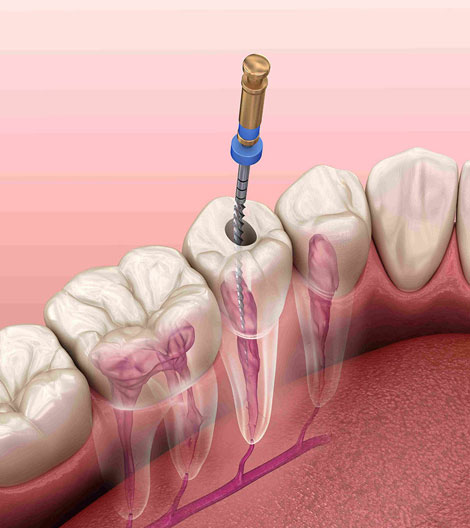
Types of issues an endodontist treats
Endodontists use endodontic surgery mainly when nonsurgical procedures are insufficient or when fractures are small enough that X-rays cannot detect them. In other cases, endodontic surgery may also be necessary to remove calcium deposits in root canals. A tooth can appear somewhat normal from the surface, but an infection or other health issue could be underneath, causing more problems.
Various reasons for endodontic surgery
Endodontic surgery may be necessary for the following situations:
Symptoms that persist despite regular dental care
Traditional root canal tools don't work due to excessive calcium An infected root canal tooth that has already undergone a root canal
Considering treatment for severe damage to the root surfaces or surrounding bone
New Patients & Emergency
Appointments Welcome! Contact Us Today.
Why Opt for an Endodontist Over a Dentist?
The dentist may not be able to notice a minor fracture or canal on an X-ray, but an endodontist can examine the entire root of the tooth and treat it.
A process known as calcification occurs when calcium deposits form around the roots, making the canal too narrow for a non-surgical root canal. Endodontists use surgery to clean the tooth and then reseal it in these cases. Since each tooth part affects the other parts of the mouth, professional treatment is crucial.
When a general dentist performs a nonsurgical root canal, some patients may experience an infection due to the root not healing correctly. It is crucial to schedule an appointment with us for endodontic surgery. If you don't treat the tooth soon, you will suffer intense pain, making daily activities almost impossible. People may go months or years without problems after a root canal and suddenly experience pain.
Here's what the endodontic surgical process involves
An apicoectomy is a dental procedure performed by endodontists. The endodontist opens the gum tissue around the tooth during this procedure and examines the bone underneath. If needed, your dentist will remove any inflamed or infected tissue and the root end. To help the tissue heal properly, the endodontist may need to place a small filling at the root canal's end, along with a few stitches or sutures.

How much time do you need to heal post-surgery?
Following the endodontic procedure, the bone will naturally heal around the root over the next few months. Since this is only one type of endodontic surgery, clear your doubts with our team during the consultation. We recommend visiting our Calistoga Dental group to understand your situation fully. Our endodontists can save your tooth and prevent it from being extracted.
Can you feel pain due to this surgery?
Don't worry if you are worried about feeling pain during the procedure. Although you may experience some swelling and soreness after the process, you will not feel much pain. After the anesthesia wears off, you can drive yourself home.
Visit Our Calistoga Dental Office for Endodontic or Dental Surgery
Contact our endodontist at the earliest if you are experiencing pain following a general dental procedure and are unsure of the cause. Calistoga Dental Group helped many patients find the right surgeries to treat their orthodontic problems. If you want our endodontists to examine your teeth or approve your eligibility for endodontic surgery, dial (707) 709-6058.