2436 Foothill Blvd. Suite A Calistoga, CA 94515

At What Age Should You Not Get Dental Implants?

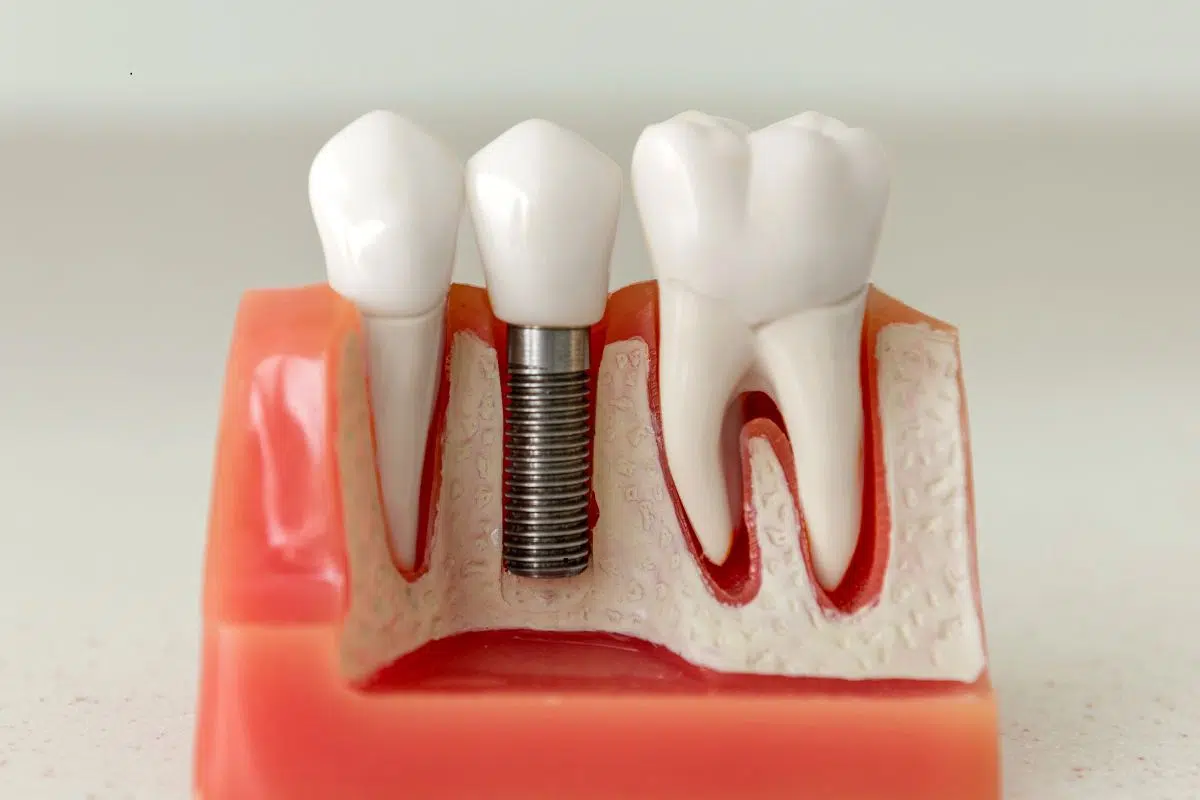
Dental implants have become a popular and effective solution for replacing missing teeth. They offer a natural look and function similar to that of natural teeth. However, many potential patients often wonder about the appropriate age for getting dental implants. While age itself is not a strict barrier, certain factors related to age can influence whether dental implants are a suitable option. In this blog, we will explore the considerations surrounding age and dental implants, helping you determine if they are right for you.
Understanding Dental Implants
Before diving into age considerations, it’s essential to understand what dental implants are. A dental implant consists of three main components:
- Implant Post: A titanium post surgically placed into the jawbone, acting as a tooth root.
- Abutment: A connector that supports and holds the crown in place.
- Crown: The visible part of the implant that looks and functions like a natural tooth.
Dental implants require a healthy jawbone and gums to support the implant post effectively. This is where age becomes a significant factor, as the health of these structures can change over time.
Factors Affecting Dental Implant Eligibility by Age
- Bone Density and Growth
- Younger Patients: Individuals under 18 may not be suitable candidates for dental implants until their jawbone has fully developed. Placing implants in a jaw that is still growing can lead to complications, misalignment, and implant failure. Most dental professionals recommend waiting until the jaw has reached maturity, typically around the late teens to early twenties.
- Older Adults: For older adults, the density of the jawbone can decrease due to age-related factors, including osteoporosis. A reduced bone density may necessitate bone grafting before implants can be placed.
- Overall Health
- Regardless of age, a patient’s overall health is crucial in determining implant candidacy. Individuals with chronic conditions such as diabetes, heart disease, or autoimmune disorders may face increased risks with surgery and might have delayed healing. Older adults may have more health issues, but it’s essential to evaluate each patient individually.
- Lifestyle Factors
- Lifestyle choices can also impact the suitability for dental implants. Smoking, excessive alcohol consumption, and poor oral hygiene can hinder the healing process and increase the risk of implant failure. These factors are often more prevalent in older adults, potentially affecting their candidacy.
- Bone Quality
- The quality of bone surrounding the implant site is vital for success. As people age, they may experience bone loss, making it necessary to assess bone health before considering implants. Bone grafting procedures may be needed for older adults to ensure adequate support for the implants.
- Healing Capacity
- Younger patients generally have a better healing capacity than older adults. For those over 60, the healing process may take longer due to age-related changes in the body’s regenerative abilities. This extended healing time can affect the overall success rate of implants.
Age-Related Considerations
While age alone should not be a deciding factor for dental implants, here are some general guidelines:
- Under 18: Patients should typically wait until their jawbone has fully developed. An oral surgeon or dentist can help assess bone maturity.
- 18 to 60: Most individuals within this age range can qualify for dental implants, provided they have good overall health and adequate bone density. A thorough examination by a dentist is essential.
- Over 60: Older adults can still benefit from dental implants, but they should undergo a comprehensive health evaluation. Addressing any underlying health issues and assessing bone quality are crucial steps to ensure a successful implant procedure.
Consultation with a Dental Professional
If you’re considering dental implants, the best course of action is to consult with a qualified dentist or oral surgeon. They can evaluate your oral health, bone structure, and overall health to determine your suitability for dental implants. Additionally, they can discuss alternative options if implants are not advisable due to age or health factors.
Conclusion
While age alone is not a disqualifying factor for dental implants, it plays a significant role in determining suitability. Factors such as jawbone development, overall health, lifestyle choices, and bone quality must be considered. Regardless of age, consulting Calistoga Dental Group is crucial to assess your specific situation and determine the best course of action for restoring your smile. With advancements in dental technology and techniques, individuals of various ages can often find suitable solutions for missing teeth, improving their oral health and quality of life.