2436 Foothill Blvd. Suite A Calistoga, CA 94515

Dentures vs. Partial Dentures: What’s the Difference and Which Do I Need?


If you’re exploring tooth replacement options, chances are you’ve come across both full and partial dentures. While they serve similar purposes—to restore function and appearance—they’re not one-size-fits-all. The choice between dentures and partial dentures depends on your unique dental situation, and understanding the difference is key to making an informed decision.
Let’s break it down in a simple, conversational way to help you feel confident and informed as you move forward with restoring your smile.
What Are Dentures?
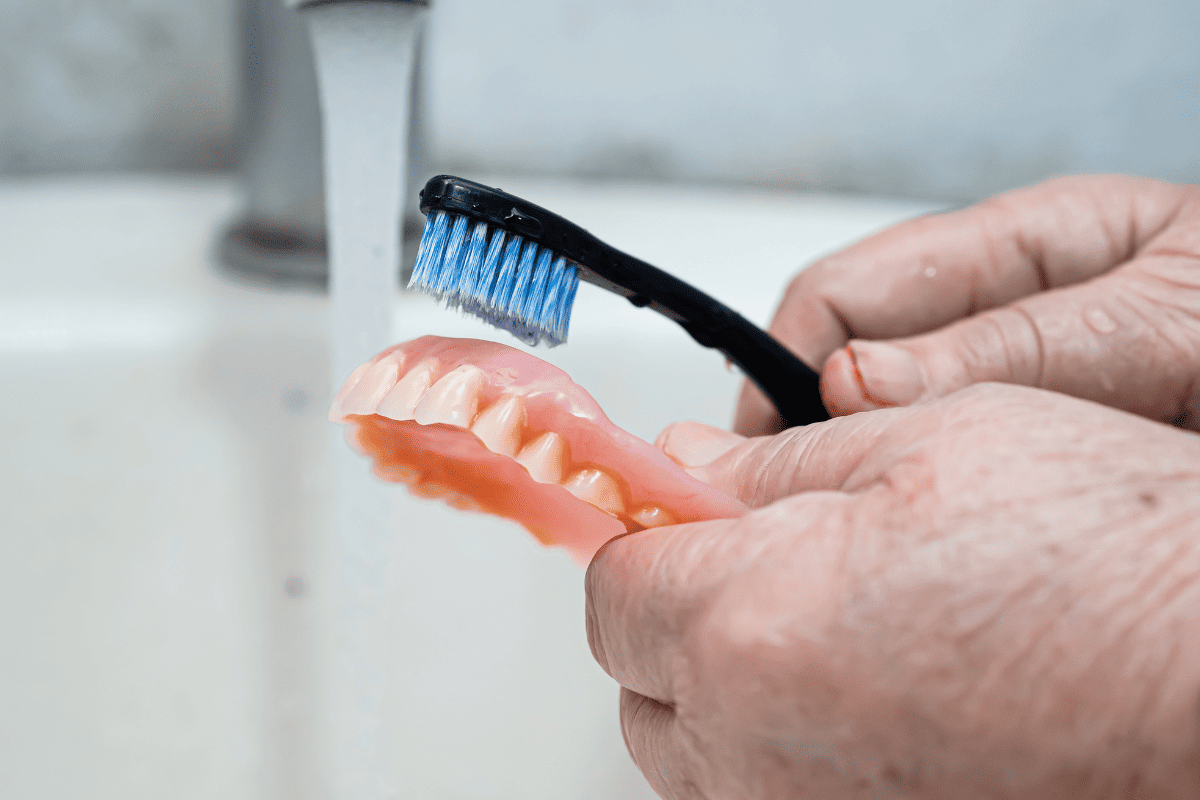
Dentures, often referred to as “full dentures,” are a complete set of artificial teeth used when all natural teeth in the upper or lower jaw (or both) have been lost or removed. They’re custom-made to fit your mouth and rest on your gums, helping you chew, speak, and smile confidently again.
They’re a great solution if:
- You’ve lost all your teeth in one or both jaws.
- You’re looking for a non-invasive tooth replacement option.
- You want to improve your facial appearance and speech.
Modern dentures in Calistoga are far more natural-looking and comfortable than those of the past. In fact, most people who wear them successfully adapt within a few weeks.
What Are Partial Dentures?
Partial dentures are used when you still have some natural teeth remaining. These prosthetic devices fill in the gaps left by missing teeth while also preventing your remaining natural teeth from shifting out of position.
They’re typically made from a combination of metal and acrylic and are designed to attach to your existing teeth with clasps or precision attachments. They’re removable, easy to clean, and custom-designed for comfort.
You might benefit from partial dentures if:
- You have one or more missing teeth but still retain healthy natural teeth.
- You want a more affordable alternative to implants or bridges.
- You’re looking for something that can be easily removed and adjusted.
How to Know Which One Is Right for You
Deciding between dentures and partial dentures often comes down to how many natural teeth you still have—and their condition. If your remaining teeth are healthy and strong, a partial denture can be an ideal solution. If not, your dentist may recommend extracting the remaining teeth and going with full dentures for a more functional, long-term solution.
Your dentist will also consider:
- The health of your gums and jawbone.
- Your lifestyle and comfort preferences.
- Your oral hygiene habits.
- Any future dental work you’re planning.
It’s also important to note that either option will likely require an adjustment period. You may notice slight speech differences or need to relearn how to chew certain foods—but with time and guidance, most patients adapt well.
The Benefits of Getting the Right Fit
Regardless of which option is best for you, the benefits of replacing missing teeth go far beyond appearance. Dentures and partial dentures can:
- Restore your ability to chew and enjoy food again.
- Improve speech and reduce awkward mumbling.
- Enhance self-confidence and facial structure.
- Protect your remaining teeth (in the case of partials) from shifting.
If you’re considering dentures in Calistoga, it’s essential to work with a trusted dental professional who listens to your concerns and understands your needs.Both dentures and partial dentures offer practical, life-enhancing solutions for missing teeth—but the best choice depends on your specific oral health and goals. The good news is that you don’t have to figure it out alone. A dentist near you can assess your smile and guide you toward the most suitable option, helping you reclaim your confidence and enjoy a healthier, fuller life.