2436 Foothill Blvd. Suite A Calistoga, CA 94515

Severe Tooth Pain? Here’s How You Can Save Your Natural Tooth


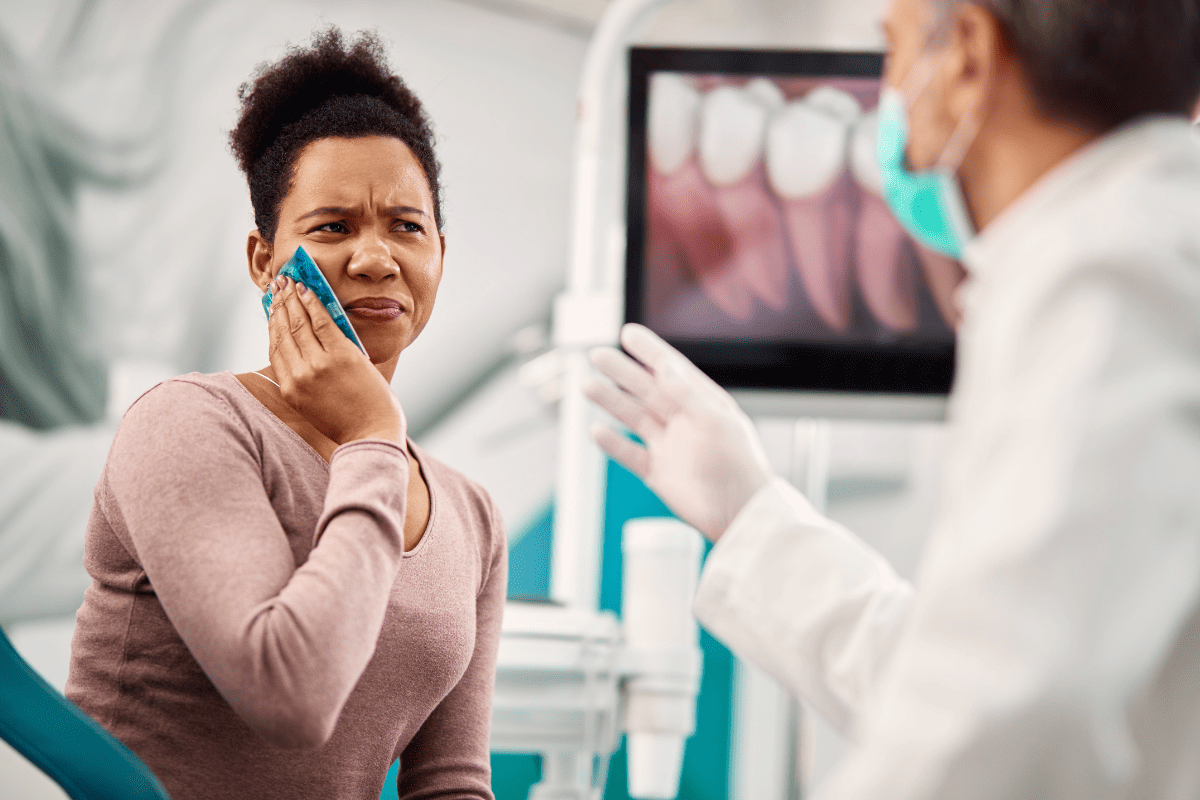
Have you ever felt a sharp, throbbing toothache that seems to take over your entire day? Severe tooth pain can make it difficult to enjoy a meal, sleep through the night, or stay focused during a busy day. In the hidden gem of the Napa Valley, where many people spend their weekends exploring the wineries, relaxing at local hot springs, or strolling along Lincoln Avenue, sudden dental pain can quickly disrupt your plans.
Many people assume that intense tooth pain means the tooth will need to be removed. Nonetheless, this isn’t always the case. With timely care, many painful teeth can still be preserved. Visiting a trusted emergency dentist in Calistoga can make a significant difference. Early treatment often relieves discomfort quickly and prevents more serious complications.
Understanding what causes severe tooth pain and how emergency dental care providers treat it can help you respond quickly and protect your natural smile.
Why Patients Consider Emergency Dental Care
Severe tooth pain rarely goes away on its own. It often signals a deeper issue that needs professional attention.
A frequent cause is severe tooth decay. When bacteria reach the inner pulp of the tooth, inflammation and infection can develop. This can create intense, persistent pain that worsens with hot or cold foods.
Cracked or fractured teeth are another reason patients seek urgent care. Even a small crack can expose sensitive inner layers, leading to sharp pain when biting or chewing.
In some cases, gum infections or abscesses are responsible. Swelling, tenderness, and a bad taste in the mouth may accompany the pain. Without treatment, infection can spread and affect overall health.
Lifestyle factors also influence the situation. Teeth grinding, sports injuries, or untreated cavities increase the risk of sudden dental emergencies. Acting quickly improves the chances of saving the tooth and avoiding more complex procedures.
How the Treatment Works
The appropriate treatment varies based on the cause of your pain. An emergency evaluation helps determine whether the tooth can be restored.
Step 1: Comprehensive Exam and Digital Imaging
A reliable dentist will assess the painful area and perform a digital examination through X-rays. This helps identify decay, infection, fractures, or bone involvement.
Clear imaging allows for an accurate diagnosis and a focused treatment plan.
Step 2: Relieving Pain and Controlling Infection
If infection is present, reducing inflammation is the priority. This may involve draining an abscess or prescribing medication to control bacteria.
Pain relief measures are also provided to keep you comfortable during and after treatment.
Step 3: Saving the Natural Tooth
If the pulp inside the tooth is infected, a root canal may be recommended. During this procedure, the infected tissue is removed, the inside of the tooth is cleaned, and it is sealed to prevent reinfection.
Afterward, a dental crown is often placed to strengthen and protect the tooth. This restores function and makes the tooth look natural again.
Step 4: Restoration and Follow-Up
If the tooth is cracked or damaged but not infected, treatments such as bonding or a Dental crown may be enough.
Follow-up visits ensure proper healing and long-term stability.
Advantages of Preserving Your Natural Tooth
Preserving your natural tooth offers several important advantages:
- Maintains proper chewing function and bite alignment
- Prevents the movement of adjacent teeth
- Maintains the health of the jawbone.
- Restores a realistic appearance
- Reduces the need for more extensive procedures
- Promotes lasting oral health
Keeping your original tooth whenever possible is usually the most conservative approach. Modern dentistry focuses on preservation first, extraction only when necessary.
When Should You Seek Emergency Dental Care?
Patients experiencing persistent or severe tooth pain are strong candidates for emergency evaluation. Sensitivity to pressure, swelling, or pain that wakes you at night should not be ignored.
Those with visible cracks, deep cavities, or facial swelling also benefit from prompt treatment. Acting early improves the chances of saving the tooth.
However, if a tooth is severely fractured below the gumline or if infection has caused extensive damage, extraction may sometimes be recommended. In those cases, your dental practitioner will discuss replacement options to restore function and aesthetics.
A professional evaluation is the only way to determine the right solution. Every case is unique, and personalized care ensures the best outcome.
Common Questions About Severe Tooth Pain
1. How do I know if my tooth needs a root canal?
If you have lingering pain, sensitivity to heat, swelling, or a darkened tooth, the pulp may be infected. An exam and X-ray confirm whether root canal therapy is needed.
2. Can severe tooth pain go away on its own?
Pain may temporarily decrease, but the underlying problem often remains. Delaying treatment can lead to worsening infection or tooth loss.
3. Is saving the tooth better than removing it?
In most instances, yes. Keeping your natural tooth helps maintain bite alignment, jawbone strength, and overall oral function.
4. What should I do before seeing a dentist?
Rinse with warm salt water, avoid chewing on the painful side, and use over-the-counter pain relief as directed. Contact Calistoga Dental Group as soon as possible for an evaluation.
Prompt Action is Essential to Save Your Teeth
Severe tooth pain is more than just an inconvenience; it’s often a warning sign that something deeper is happening. The sooner you seek care, the greater the chance of saving your natural tooth and preventing complications.If you’re experiencing sudden or persistent discomfort, scheduling an evaluation with our trustworthy emergency dentist in Calistoga can protect both your health and your smile. Our prompt and personalized care helps patients find relief and preserve their natural teeth whenever possible. You can also view and explore authentic patient reviews on Google Maps, where real experiences highlight the quality of care provided.
Don’t wait for the pain to worsen. Reach out today to schedule a professional assessment and take the first step toward lasting comfort and oral health.