2436 Foothill Blvd. Suite A Calistoga, CA 94515

Emergency Steps to Handle a Lost Dental Filling

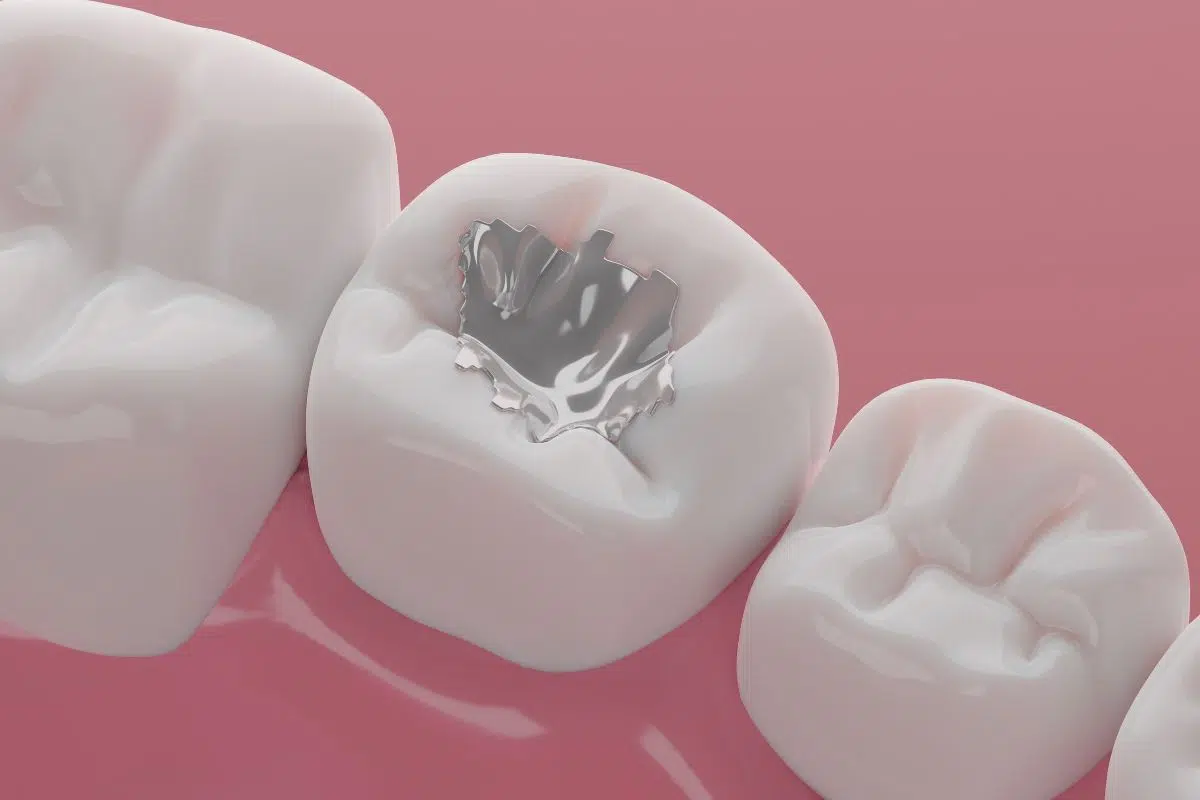
Losing a dental filling can be a stressful experience. One moment, everything feels fine, and the next, you’re left with a strange, rough gap in your tooth. While it may not always seem urgent, a lost filling can lead to pain, sensitivity, and even further complications if left untreated. Knowing what to do in this situation can help you protect your oral health and prevent additional damage.
If you’ve lost a filling, don’t panic—here’s what you need to know.
Why Do Dental Fillings Fall Out?
Fillings are durable, but they don’t last forever. Over time, they can weaken or become dislodged due to various factors, including:
- Chewing and Wear: Everyday chewing, especially on hard or sticky foods, can gradually weaken fillings.
- Tooth Decay: If bacteria build up under or around a filling, they can cause new decay, leading to a loose or lost filling.
- Temperature Changes: Frequent exposure to hot and cold foods can cause fillings to expand and contract, eventually loosening them.
- Bruxism (Teeth Grinding): Habitual grinding or clenching of teeth puts pressure on fillings, making them more likely to fall out.
- Accidents or Trauma: A sudden impact, such as biting down on something hard or an injury to the face, can knock a filling loose.
Immediate Symptoms of a Lost Filling
When a filling falls out, you might notice some of the following signs:
- Sharp pain or sensitivity when eating or drinking, especially with hot, cold, or sugary foods.
- A rough, jagged surface where the filling used to be, which may feel uncomfortable on your tongue.
- Food getting stuck in the exposed cavity, increasing the risk of decay.
- A sudden, hollow feeling in your tooth, often accompanied by discomfort.
Emergency Steps to Take When You Lose a Filling
If you lose a filling, taking the right steps can help protect your tooth until you can see a dentist. Here’s what you should do:
- Stay Calm and Assess the Damage
Examine the affected tooth using a mirror. If possible, locate the missing filling, but don’t try to put it back in place. - Rinse Your Mouth
Clean the area by rinsing with warm salt water to remove debris and bacteria. Avoid using alcohol-based mouthwash, as it may cause irritation. - Use Temporary Protection
Cover the exposed tooth with sugar-free gum, dental wax, or temporary dental cement (available at drugstores) to protect it from further damage. - Avoid Chewing on That Side
Stick to soft foods and avoid chewing with the affected tooth to prevent additional discomfort or fractures. - Manage Pain and Sensitivity
If you experience pain, take over-the-counter pain relievers like ibuprofen. Clove oil, which has natural numbing properties, can also be applied to the area for temporary relief.
If you’re unsure what to do next, an emergency dentist in Calistoga can assess the situation and provide the right treatment to restore your tooth.
Potential Complications of Ignoring a Lost Filling
Delaying treatment for a lost filling can lead to more serious dental problems, including:
- Tooth Decay: Without the filling, your tooth is exposed to bacteria, increasing the risk of further decay and cavities.
- Tooth Fractures: The structural weakness of an unprotected tooth makes it more likely to crack or break.
- Infection or Abscess: If bacteria reach the inner pulp of your tooth, an infection or abscess may develop, requiring more extensive treatment.
If you experience swelling, severe pain, or persistent discomfort, don’t wait—contact an emergency dentist in Calistoga immediately for professional care.
How a Dentist Will Treat a Lost Filling
Once you visit your dentist, they will assess the condition of your tooth and recommend one of the following treatments:
- Filling Replacement: If the tooth structure is still intact, the dentist will clean the cavity and place a new filling.
- Dental Crown: If a significant portion of the tooth is damaged, a crown may be necessary to restore strength and function.
- Root Canal Therapy: If decay or infection has spread to the tooth’s pulp, a root canal may be required before placing a new restoration.
Preventing Future Filling Loss
To reduce the chances of losing another filling, consider the following preventive measures:
- Maintain Good Oral Hygiene – Brush twice a day, floss regularly, and use fluoride toothpaste to keep your teeth strong.
- Visit Your Dentist Regularly – Routine check-ups allow your dentist to detect early signs of wear or decay in your fillings.
- Avoid Hard and Sticky Foods – Chewing ice, hard candies, or sticky foods can loosen or dislodge fillings.
- Wear a Mouthguard if You Grind Your Teeth – If you suffer from bruxism, wearing a custom mouthguard can help protect your fillings.
- Act Quickly if You Notice Sensitivity – If you experience unusual sensitivity or discomfort in a filled tooth, visit your dentist before the filling deteriorates further.
A lost filling isn’t something you should ignore. Acting quickly can prevent further pain, decay, or infection. If you lose a filling, follow the emergency steps outlined above and schedule an appointment with an emergency dentist near you as soon as possible. Timely treatment will restore your tooth and protect your smile for years to come!