2436 Foothill Blvd. Suite A Calistoga, CA 94515

How Cosmetic Dentists Repair Cracked and Worn Teeth?


Teeth can crack, chip, or wear down due to a variety of reasons. From accidental injuries to the natural wear and tear of aging, damaged teeth can affect both the function and appearance of your smile.
Fortunately, cosmetic dentists offer several effective solutions to restore the strength, beauty, and functionality of your teeth. Whether you’re dealing with cracks, chips, or general wear, treatments like bonding, veneers, and laminates can help restore your smile. In this blog, we will explore how cosmetic dentists repair cracked and worn teeth and provide insight into available treatment options.
Why Do Teeth Crack, Chip, or Wear Out?
The reasons behind cracked, chipped, or worn teeth are varied, and understanding the causes is the first step toward finding a solution. Here are some common reasons why teeth become damaged:
- Accidental Injuries: A fall or an unexpected blow to the face can result in chipped or cracked teeth. Sports-related injuries and car accidents are common culprits.
- Teeth Grinding (Bruxism): Grinding your teeth at night or under stress can cause excessive wear and lead to cracks or fractures.
- Aging: Over time, teeth naturally lose their enamel and become more vulnerable to cracks, chips, and general wear.
- Poor Habits: Chewing on hard objects like ice or pens, or opening bottles with your teeth, can cause damage.
- Decay: Untreated cavities can weaken tooth structure, making them more prone to breaking or cracking.
If you’re experiencing chipped, cracked, or worn teeth, it’s essential to seek help from a cosmetic dentist Calistoga who can evaluate the damage and recommend an appropriate treatment plan.
How Do Cosmetic Dentists Repair Cracked and Worn Teeth?
When it comes to restoring cracked or worn teeth, cosmetic dentists have several effective treatment options. Let’s take a look at the most common treatments used to fix these dental issues:
What Is Dental Bonding and How Does It Help?
Dental bonding is one of the simplest procedures for repairing minor chips and cracks in the teeth. During the bonding process, a tooth-colored resin material is applied to the damaged area of the tooth. The material is then carefully shaped to blend seamlessly with the natural contours of the tooth. After shaping, the resin is hardened using a special light.
Dental bonding is an excellent option for those with small chips or cracks in the front teeth, as it is quick, non-invasive, and typically completed in just one visit. Additionally, the resin used in bonding is durable and resistant to staining. If you’re looking for a fast solution to restore your smile, dental bonding is a great choice. Ask your cosmetic dentist Calistoga about bonding for minor tooth repairs.
What Are Veneers and How Do They Restore Teeth?
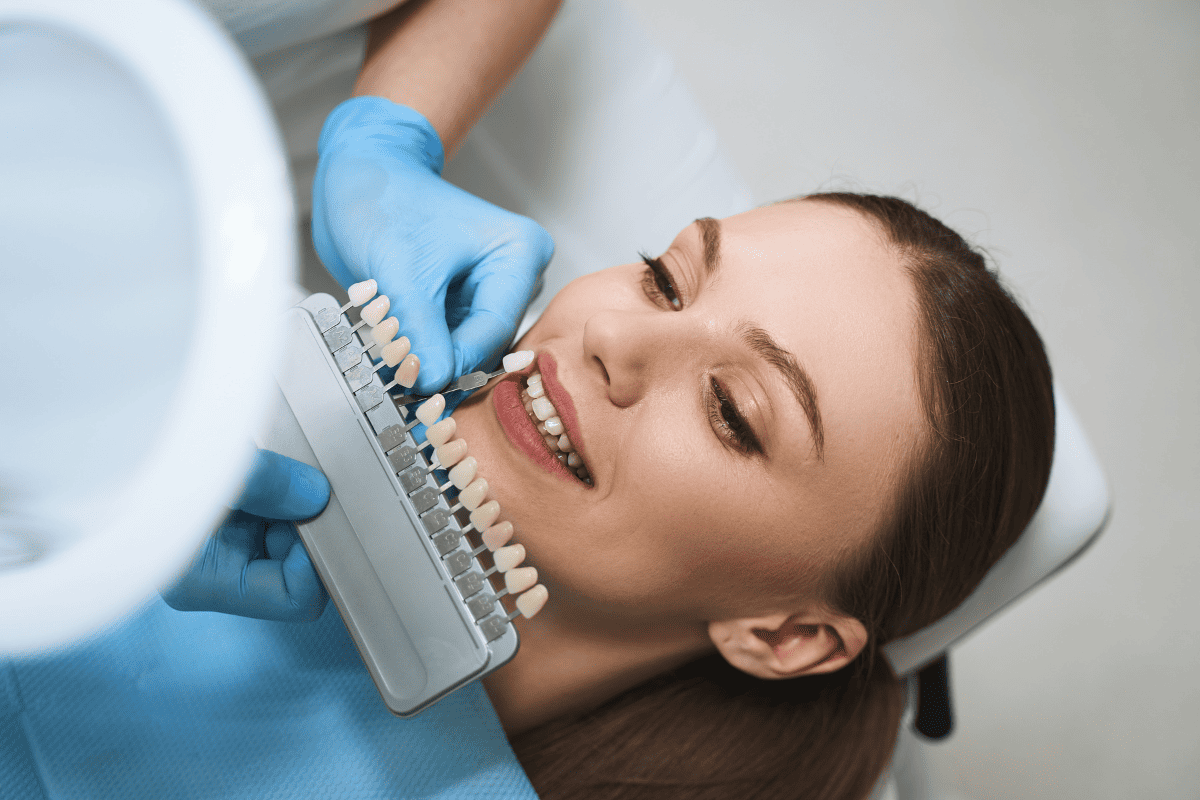
They are thin, custom-made dental shells that cover the front surface of the teeth. Made from durable porcelain or composite resin, veneers are ideal for more significant cracks or chips. The process involves removing a small amount of enamel from the tooth surface to make space for the veneer. The veneer is then bonded to the tooth, restoring its appearance and functionality.
Veneers are commonly used for damaged, discolored, or uneven teeth. They can fix cracks, chips, and worn-down teeth, providing a natural-looking restoration that blends seamlessly with your other teeth. Porcelain veneers are stain-resistant and can last for many years with proper care. For patients with more severe damage, veneers provide a long-lasting, effective solution.
What Are Laminates and How Are They Different from Veneers?
Laminates are similar to veneers but are typically thinner and require less removal of the tooth’s natural structure. Made from porcelain, laminates are bonded to the front of the teeth to hide imperfections such as cracks, chips, or discoloration. Since they are thinner, laminates require less enamel removal compared to veneers, making them a less invasive option for some patients.
Laminates provide the same cosmetic benefits as veneers but with a less aggressive approach. For individuals with minor to moderate damage, laminates can offer a more conservative treatment option with the same durable, natural appearance as veneers.
How Long Do These Treatments Last?
The longevity of cosmetic dental treatments depends on the material used and the care taken after the procedure. Dental bonding typically lasts 5 to 7 years, while veneers and laminates can last 10 to 20 years. Taking care of your teeth and avoiding habits like grinding can help your treatment last longer.
A dentist Calistoga CA will provide you with a clear timeline based on the procedure chosen and the specific needs of your teeth. Regular dental check-ups and professional cleanings will also help maintain the results.
Restore Your Smile with Cosmetic Dental Solutions
Cracked, chipped, or worn teeth don’t have to detract from your smile. With modern cosmetic dental procedures like bonding, veneers, and laminates, you can restore both the function and beauty of your teeth. Whether you’re looking for a quick fix with bonding or a long-term solution with veneers or laminates, our cosmetic dentist Calistoga can help you choose the right option based on your needs. Schedule a consultation to learn more about how these procedures can benefit you.
If you’re ready to restore your smile and boost your confidence, contact the nearest dental office and meet with our dentist Calistoga CA, to explore your treatment options. Don’t let damaged teeth hold you back. Start your journey to a healthier, more radiant smile today.
Common FAQs: Cosmetic Dentistry
1. What causes teeth to crack or chip?
Teeth can crack or chip due to injury, grinding, aging, or biting hard foods. Dental decay also weakens teeth, making them more vulnerable to damage.
2. How long do dental veneers last?
Veneers typically last between 10 to 20 years, depending on how well you care for them and the material used.
3. How does dental bonding work?
Dental bonding involves applying a tooth-colored resin to fill chips or cracks, which is then shaped and hardened to blend seamlessly with your tooth.
4. What is the difference between veneers and laminates?
Veneers are thicker and may require more enamel removal, while laminates are thinner and require less tooth preparation.
5. Are the treatments painful?
Most cosmetic procedures are minimally invasive and painless. Local anesthesia is often used to ensure your comfort during treatments.
6. Can I eat normally after getting dental bonding?
Yes, once the bonding material hardens, you can eat and drink normally. However, avoid sticky or hard foods immediately after the procedure.
7. How often should I visit my cosmetic dentist after getting veneers or bonding?
Regular check-ups every 6 months are recommended to ensure that your veneers or bonding remain in good condition and your oral health stays on track.