2436 Foothill Blvd. Suite A Calistoga, CA 94515

How Can I Tell if My Veneers Are Loose?

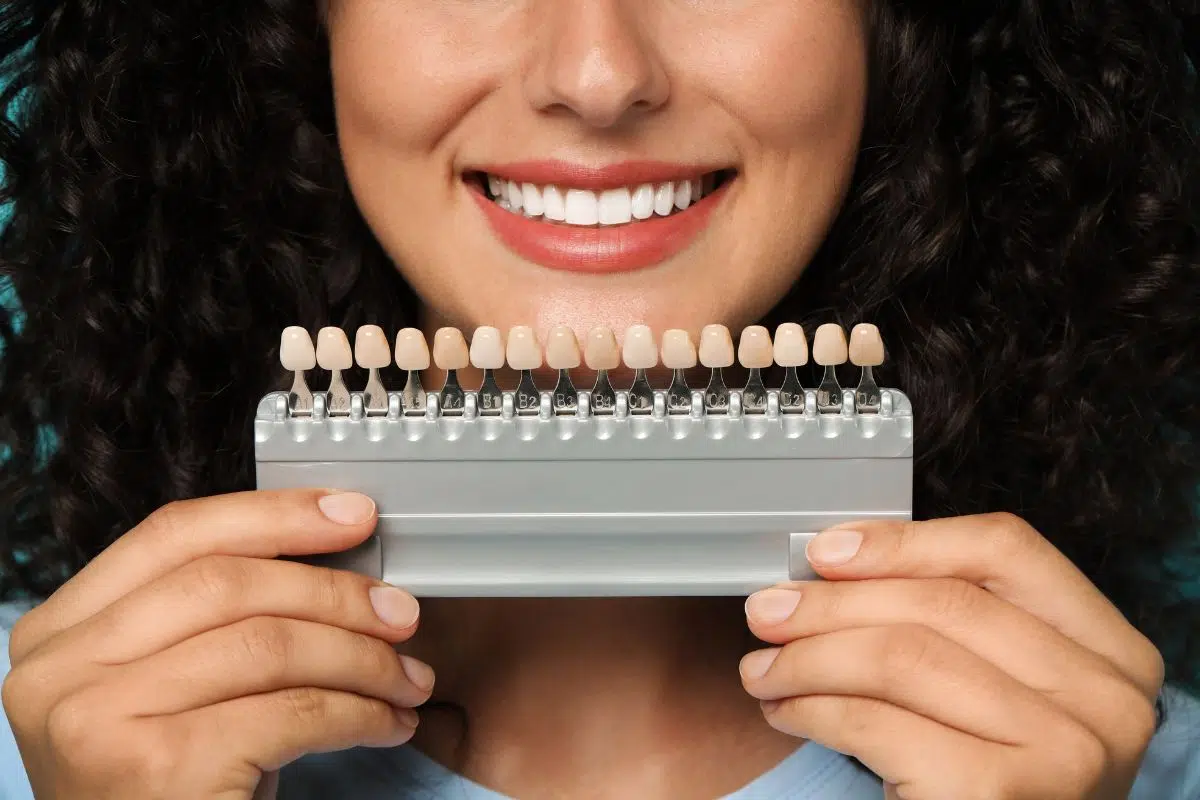
Dental veneers are a fantastic solution for improving the appearance of your smile. These thin, custom-made shells are designed to cover the front of your teeth and can address various dental concerns, such as discoloration, chips, and misalignment. However, veneers are not impervious to damage over time like any dental restoration. One common issue that may arise is the loosening of veneers.
While dental veneers are known for their durability, they can become loose due to various reasons. Understanding how to spot signs that your veneers may be loose is essential to addressing the problem before it leads to further complications. So, how can you tell if your veneers are loose?
1. Increased Sensitivity
If you start to experience heightened sensitivity in the tooth with the veneer, it could be a sign that it is loosening. Typically, veneers are bonded to the tooth surface, creating a protective barrier. However, when the veneer becomes loose, the underlying tooth may become exposed to air, temperature changes, and food particles, causing sensitivity. If you notice pain or discomfort when eating hot or cold foods, it’s worth checking your veneer for looseness.
2. Visible Gaps or Shifting
A loose veneer may cause a visible gap between the tooth and the veneer. If your veneer appears to be shifting or a gap forms around the edges, it may indicate that the bonding material is weakening. This is particularly important to address because food particles and bacteria can get trapped in the gap, increasing the risk of decay or infection.
You should also be aware of any noticeable changes in the veneer’s shape. If it seems to be shifting or no longer sits flush against your tooth, it could be a sign of looseness.
3. Feeling a Difference When You Bite or Chew
If your veneer feels different when you bite down or chew, this may be a sign that it is no longer securely bonded to your tooth. You might feel an odd pressure or shifting sensation when eating. If you notice that your bite feels “off” or that the veneer moves slightly, it’s a good idea to visit your dentist for a closer inspection. Sometimes, a loose veneer can cause your bite to become misaligned, leading to discomfort or even further dental issues.
4. Pain or Discomfort
A loose veneer can sometimes cause pain or discomfort in the affected tooth or surrounding gum tissue. This is especially true if the veneer begins to shift and puts pressure on neighboring teeth. If you experience discomfort that wasn’t present before, it’s worth considering the possibility that your veneer has become loose. Don’t ignore persistent pain, as it may indicate that the underlying tooth is being affected by the looseness of the veneer.
5. Veneer Detachment
The most obvious sign that your veneer is loose is when it completely detaches from the tooth. If you notice that your veneer has fallen off or is hanging loosely, it clearly indicates that it’s no longer securely bonded. In this case, saving the veneer and scheduling an appointment with your dentist as soon as possible is essential. Your dentist may be able to reattach the veneer or discuss other options, depending on the condition of the tooth underneath.
6. Visible Damage to the Veneer
If your veneer is cracked, chipped, or visibly damaged, it may be loose. Even small cracks or chips can weaken the adhesive bond between the veneer and the tooth, leading to looseness over time. While cracks and chips are sometimes subtle, any visible damage should be inspected by a dentist to prevent further deterioration.
What Causes Veneers to Become Loose?
There are several reasons why veneers may become loose, including:
- Wear and Tear: The adhesive bond between the veneer and tooth can weaken due to normal wear.
- Trauma: A blow to the mouth or an accident can cause a veneer to loosen or fall off.
- Teeth Grinding: Grinding your teeth (bruxism) can place excessive pressure on the veneers, leading to loosening.
- Decay: In some cases, decay can form beneath the veneer, causing it to loosen or fail.
- Improper Bonding: If the veneer was not correctly bonded during the initial placement, it may become loose earlier than expected.
What Should You Do If Your Veneer Is Loose?
If you suspect that your veneer is loose, it’s essential to contact your dentist as soon as possible. Loose veneers should not be ignored, as they can lead to additional problems, such as damage to the underlying tooth, infection, or misalignment of your bite.
At your dental appointment, your dentist will assess the condition of the veneer and determine the best course of action. In some cases, the veneer can be reattached with stronger bonding material. If the veneer is damaged beyond repair, your dentist may recommend replacing it.
Request an Appointment
If you’re concerned that your veneers may be loose or experiencing other issues, don’t hesitate to schedule an appointment with your dentist. Timely treatment can help preserve your veneers’ integrity and overall dental health.