2436 Foothill Blvd. Suite A Calistoga, CA 94515

Understanding Root Canal Treatment and Protecting Your Smile

Tooth pain can make everyday activities uncomfortable. Eating your favorite foods, drinking something cold, or getting a good night’s sleep may become difficult when a tooth hurts. Although these symptoms can have different causes, damage or infection inside a tooth may require professional dental care. Early attention can help prevent the problem from becoming more serious.
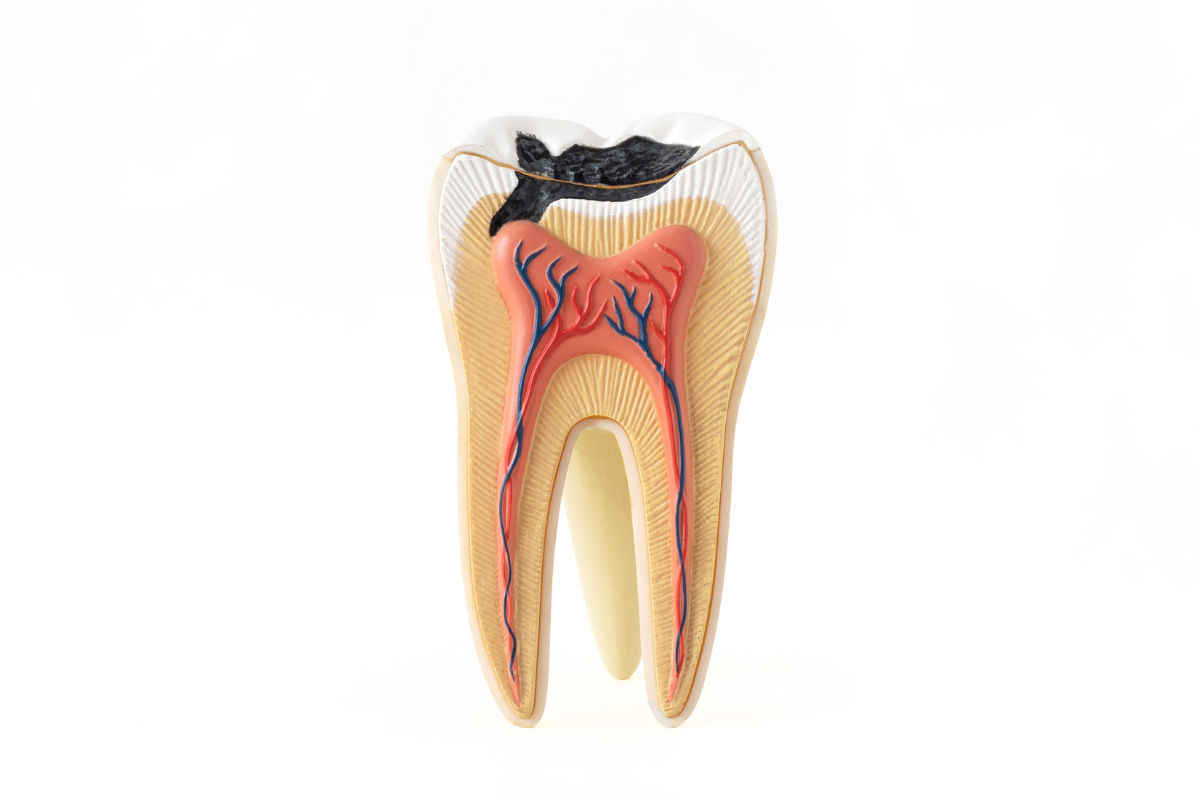
When bacteria reach the soft pulp inside a tooth, root canal therapy in Calistoga can help remove the infection and preserve the natural tooth. This treatment cleans the inside of the tooth and seals the root canals to reduce the risk of further infection. A Calistoga dentist can examine your symptoms, explain your treatment options, and help you understand whether root canal therapy is appropriate for your needs.
Recognize the Signs of Tooth Infection
Tooth problems do not always cause immediate or severe pain. However, certain symptoms may indicate damage to the inner tissues of a tooth. Recognizing these warning signs can help you seek care before the condition worsens.
Common symptoms include:
- Persistent or throbbing tooth pain
- Sensitivity to hot and cold that lingers
- Pain when biting or chewing
- Swollen or tender gums near a tooth
- Darkening or discoloration of a tooth
You may not experience every symptom. A Calistoga dentist can examine the affected area and use dental X-rays when needed to determine the cause. Contact a dental professional promptly if you notice these changes. Facial swelling accompanied by fever or difficulty swallowing or breathing requires urgent medical attention.
How Does Root Canal Therapy Work?
Understanding the treatment process can help you feel more prepared for your appointment. Your dentist will first examine the tooth and explain the recommended approach.
During treatment, the dentist numbs the area to support your comfort. Next, they remove the infected or damaged pulp, clean and disinfect the root canals, and fill and seal the space. Depending on the amount of remaining tooth structure, they may recommend a permanent filling or dental crown to restore strength and function.
The number of visits depends on the tooth’s condition and treatment needs. Following your dentist’s instructions helps support healing and long-term results.
Why Preserving Your Natural Tooth Matters
Your natural teeth play an important role in chewing, speaking, and maintaining your bite. Saving a damaged tooth can help you retain these everyday functions and avoid the need for extraction and replacement.
Choosing root canal therapy in Calistoga may help you keep your natural tooth when the dentist determines that restoration is possible. Prompt treatment can also address the source of infection and help relieve related discomfort.
A Calistoga dentist can discuss the expected benefits, possible limitations, and any additional restoration your tooth may need. Regular checkups and good oral hygiene remain important after treatment.
Protect Your Smile With Professional Dental Care
Do not ignore persistent tooth pain or unusual sensitivity. Timely dental care can help identify the problem and guide you toward an appropriate solution. Brush twice daily with fluoride toothpaste, clean between your teeth every day, and schedule routine dental examinations to support your oral health.
If you have tooth pain or suspect an infection, contact Calistoga Dental Group to discuss your concerns and arrange an evaluation. Their dental team can assess your tooth and explain whether root canal therapy in Calistoga is a suitable option for protecting your smile.
Frequently Asked Questions (FAQ’s)
When might I need a root canal?
You may need treatment if you experience persistent tooth pain, sensitivity to hot or cold, gum swelling, or pain while chewing. A dental examination helps identify the cause.
Is root canal treatment painful?
Dentists use local anesthesia to help keep patients comfortable during treatment. Some tenderness may occur afterward, but your dentist can recommend appropriate ways to manage it.
Can root canal therapy save my natural tooth?
Yes. When the tooth remains suitable for restoration, root canal treatment can remove the infection and preserve your natural tooth instead of extracting it.
How can I protect my tooth after treatment?
Follow your dentist’s instructions, brush twice daily, clean between your teeth, and attend regular dental checkups. A permanent filling or crown may help protect the treated tooth.