2436 Foothill Blvd. Suite A Calistoga, CA 94515

What Factors Determine if Tooth Shaving Is Required for Your Veneers?

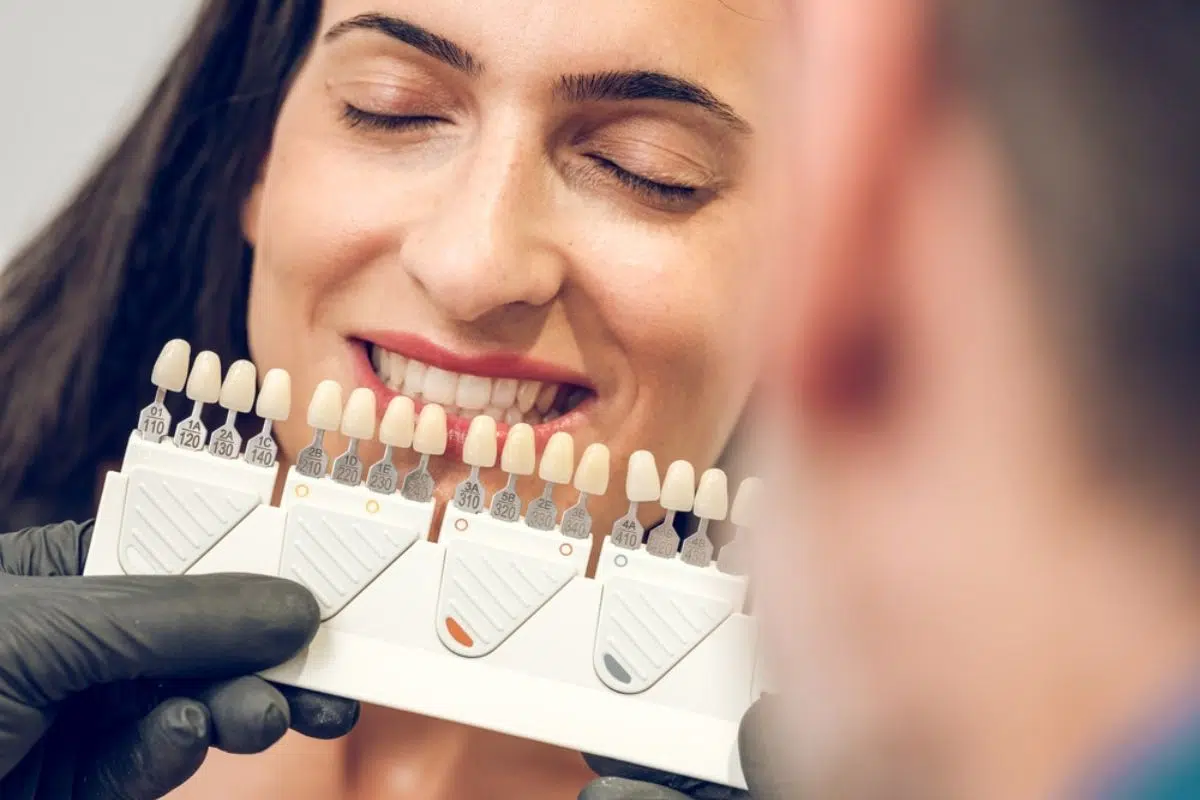
If you’re dreaming of a flawless smile, dental veneers are likely on your radar. These thin, custom-made shells are crafted to cover the front surface of your teeth, correcting issues like chips, gaps, discoloration, or uneven shape. But before the final placement, one question often arises: Will I need to have my teeth shaved for veneers? It’s a common concern for anyone considering this cosmetic procedure.
Let’s break down the key factors that determine whether tooth shaving is necessary and how it plays a role in achieving a natural-looking smile that complements your facial features.
What Is Tooth Shaving for Veneers?
Tooth shaving, also known as enamel reduction or tooth preparation, involves removing a small amount of your natural tooth enamel. This allows the veneer to fit seamlessly over your tooth without looking bulky or misaligned. It’s typically a painless process done under local anesthesia, and it ensures the best aesthetic and functional results.
Factor 1: Type of Veneers You Choose
Not all veneers require the same amount of tooth shaving. The decision largely depends on the type of veneers used:
Traditional Veneers
Traditional porcelain veneers often require more preparation, as they are slightly thicker. Tooth shaving ensures these veneers fit properly and align with your gum line for a smooth, natural appearance.
Minimal-Prep or No-Prep Veneers
These are ultra-thin veneers that often require little to no tooth reduction. Brands like Lumineers fall into this category. However, minimal-prep veneers aren’t suitable for everyone and work best for patients with smaller or less prominent teeth.
Your cosmetic dentist will assess your smile goals and recommend the best type for you.
Factor 2: Alignment and Shape of Your Natural Teeth
Tooth shaving is more likely needed if your natural teeth are crooked, uneven, or have irregular shapes. Reducing the enamel can help reshape these imperfections and allow the veneers to sit correctly and look symmetrical.
In cases where a patient has protruding or overlapping teeth, shaving helps create a smoother surface for veneer placement. This allows for better adhesion and a more comfortable bite.
Factor 3: Desired Aesthetic Outcome
The extent of shaving often depends on the look you’re aiming to achieve. If you want dramatic changes, such as significantly whiter teeth, closing large gaps, or changing the size of your teeth, your dentist might recommend shaving to create space for the veneers.
By slightly reshaping your teeth, the final result appears more balanced, even, and aligned with your natural smile arc. It also helps prevent veneers from looking too large or bulky in your mouth.
Factor 4: Tooth Health and Enamel Thickness
If your enamel is already thin or you have dental concerns like sensitivity or decay, your dentist may avoid shaving altogether or proceed with great caution. In such cases, a conservative approach like no-prep veneers might be explored to protect the integrity of your teeth.
Dentists assess enamel thickness through X-rays and digital imaging to determine how much—if any—enamel can be safely removed.
Factor 5: Personal Comfort and Preferences
Every smile is different, and your comfort matters. Some patients are more anxious about enamel reduction, and that’s completely understandable. Open communication with your dentist can lead to a treatment plan that respects your concerns while still achieving your cosmetic goals.
A trustworthy provider will discuss all available options, ensuring you’re informed about the benefits and trade-offs of each approach.
In the context of cosmetic dentistry, veneers in Calistoga have become a popular choice among those looking to enhance their smiles without undergoing complex procedures. Whether or not tooth shaving is needed varies from patient to patient, but the goal remains the same: to create a smile that feels natural, looks amazing, and lasts for years.
Tooth shaving for veneers is not always required, but when it is, it plays an essential role in achieving the perfect fit and aesthetic result. A consultation with a skilled dentist in Calistoga can help you understand your options and determine the best approach for your unique needs. The best smiles are built on trust, personalized care, and the expertise of a dental team that puts your comfort first.