2436 Foothill Blvd. Suite A Calistoga, CA 94515

Why Your Root Canal Isn’t Complete Without a Crown

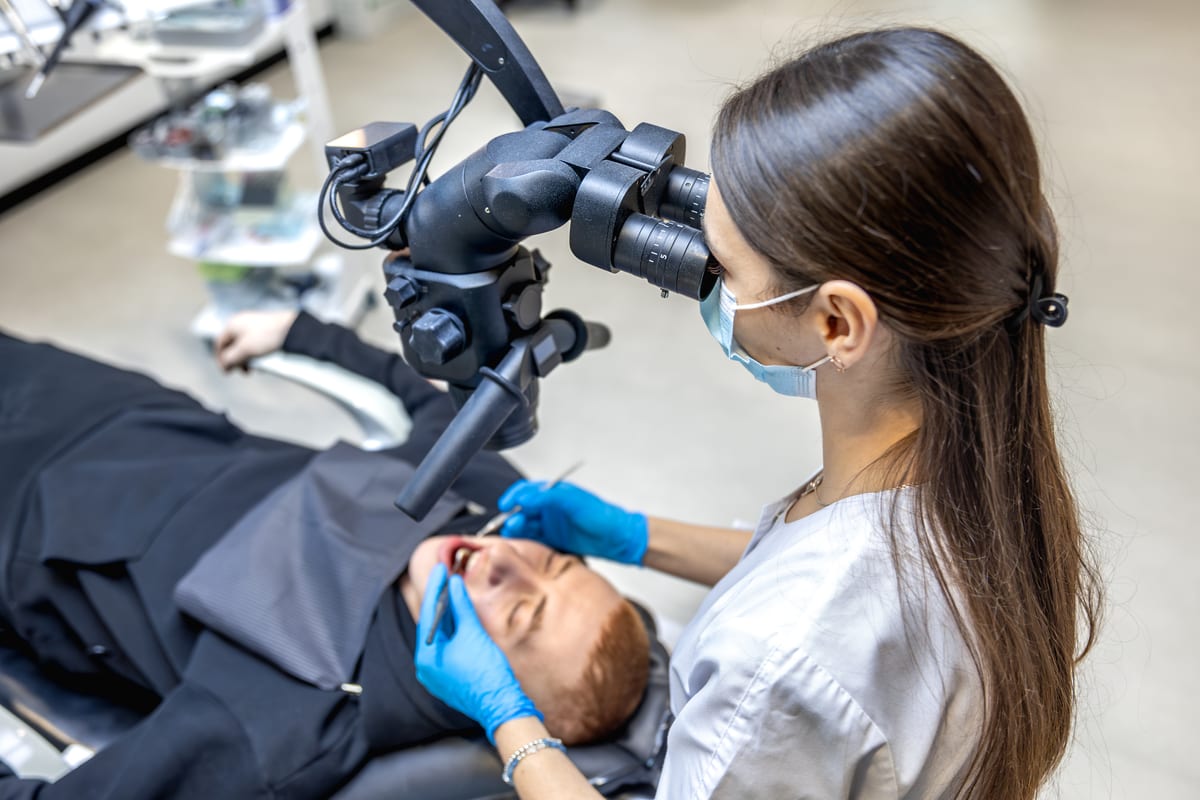
Many Calistoga patients feel relieved after a root canal. The pain is gone, and the infection is treated. But here is the truth: your tooth is not fully protected yet. Understanding why your root canal isn’t complete without a crown in Calistoga could save your tooth from cracking, re-infection, or total loss.
At Calistoga Dental Group, Dr. Kris Hilado helps patients understand every step of their dental care. Root canal treatment removes infected pulp and seals the inner canal. However, that treated tooth still needs a strong outer layer to function safely for years to come.
Why a Root Canal Alone Leaves Your Tooth Vulnerable
After a root canal, your tooth loses its blood supply and nerve tissue. This makes the tooth more brittle than a healthy, living tooth. Without proper protection, it can fracture under normal biting pressure.
The tooth also has a small opening from the access point used during treatment. That opening can allow bacteria back in over time. A temporary filling is not a long-term solution for sealing that space effectively.
Patients in Calistoga who skip the crown step often return later with a cracked or broken tooth. At that point, the only remaining option may be extraction. Replacing a lost tooth often involves Dental Implants Calistoga patients can rely on — but prevention is always the better path.
Here is what makes an uncrowned tooth after root canal so risky:
- The tooth structure is weakened and more prone to fracture
- Bacteria can re-enter through an improperly sealed access point
- Chewing forces can cause cusp breakage over time
- A broken tooth may not be restorable, leading to extraction
What the Crown Appointment Involves in Calistoga
Once your root canal is complete, your dentist will schedule a crown appointment. This is a straightforward process that most patients find comfortable and quick. Dr. Hilado and his team make every effort to keep the process smooth and stress-free.
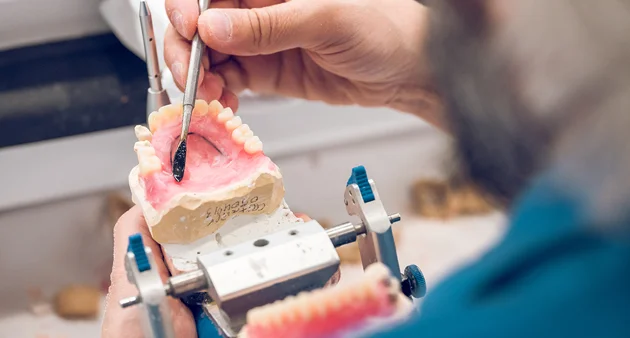
During your first crown visit, the tooth is shaped to create space for the crown. An impression or digital scan captures the exact dimensions of your tooth. That information goes to a dental lab to fabricate your custom crown.
You will wear a temporary crown while your permanent one is being made. Most labs take one to two weeks to complete the crown. At your second visit, the permanent crown is bonded securely over the treated tooth.
Here is what to expect during the crown process:
- Tooth preparation — the outer enamel is gently shaped
- Impression or digital scan — precise measurements are captured
- Temporary crown placement — protects the tooth during the waiting period
- Permanent crown placement — bonded for a long-lasting, secure fit
- Bite check and adjustments — ensures your crown feels natural
Why Your Root Canal Isn’t Complete Without a Crown Calistoga Patients Trust
A dental crown does far more than just cover the tooth. It restores your full biting strength and protects the fragile inner structure from daily wear. Calistoga patients who complete this step report significantly better long-term outcomes.
Crowns are made from durable materials like porcelain, zirconia, or porcelain-fused-to-metal. Your dentist will recommend the best material based on the tooth’s location and your bite pattern. Front teeth may use all-porcelain crowns for a natural appearance, while back teeth often use stronger materials.
A properly placed crown can last ten to fifteen years or longer with good oral hygiene. That makes it one of the most cost-effective steps you can take after root canal treatment. Skipping it now often means spending more later to fix or replace the tooth.
If you have questions about your treatment plan, visiting a trusted Dental Office Calistoga residents count on is the best place to start. Dr. Hilado’s team is here to walk you through your options at every stage.
How to Care for Your Crown After Placement
Once your permanent crown is in place, caring for it is simple. Treat it like a natural tooth with consistent brushing and flossing every day. The crown itself cannot decay, but the gum line and tooth root underneath still can.
Avoid chewing extremely hard foods like ice or hard candy directly on a crowned tooth. These habits can chip or dislodge even a well-bonded crown over time. If you grind your teeth at night, ask Dr. Hilado about a custom night guard to protect your investment.
Schedule regular checkups so your dentist can inspect the crown’s margins and surrounding gum tissue. Early detection of any wear or gum recession keeps small issues from becoming bigger problems. Consistent preventive care is the foundation of long-term dental health in Calistoga.
Conclusion: Complete Your Root Canal the Right Way
A root canal treats the source of infection, but a dental crown completes the restoration. Together, these two steps give your tooth its best chance at a long, healthy life. Skipping the crown puts all the work of your root canal at serious risk.
Dr. Kris Hilado and the team at Calistoga Dental Group are committed to helping every patient achieve lasting oral health. If you recently had a root canal or your dentist has recommended one, do not wait to take the next step. Book Now to schedule your appointment with our team.
Frequently Asked Questions
Do I always need a crown after a root canal?
In most cases, yes. Back teeth that bear heavy chewing forces almost always require a crown after root canal treatment. Front teeth with minimal damage may sometimes be restored with a filling, but your dentist will evaluate your specific situation and make a recommendation based on the remaining tooth structure.
How long can I wait to get a crown after a root canal?
You should schedule your crown appointment as soon as possible after your root canal is complete. Most dentists recommend placing the permanent crown within a few weeks. Waiting too long increases the risk of tooth fracture and bacterial re-contamination of the treated canal.
Does getting a crown hurt?
The crown procedure is typically painless. Your dentist will use local anesthesia during the tooth preparation step. Most patients experience only mild sensitivity around the gum line for a day or two after placement, which resolves quickly on its own.
What happens if my tooth breaks before I get a crown?
If a tooth fractures after root canal treatment but before a crown is placed, the outcome depends on how severe the break is. Minor fractures may still allow for a crown. Severe fractures below the gum line often mean the tooth cannot be saved and may need extraction followed by a dental implant or bridge to restore function.
How long does a dental crown last after a root canal?
With proper oral hygiene and regular dental visits, a crown can last ten to fifteen years or more. The longevity depends on the material used, your bite, and how well you care for the surrounding gum tissue. Routine checkups help your dentist catch any early signs of wear before they become serious problems.