2436 Foothill Blvd. Suite A Calistoga, CA 94515

Timing Is Everything: How Often To Visit The Dentist For Check-Ups

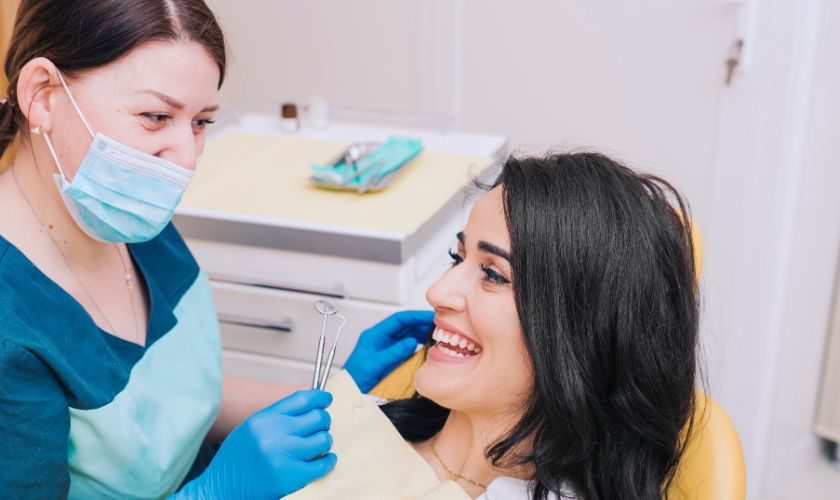
Your smile is more than a mere expression—it’s a reflection of your overall well-being. To preserve its radiance, regular dental check-ups are paramount. But how often should you schedule these visits to ensure your oral health remains in top form? In this comprehensive guide, we unravel the nuances of dental check-up frequency, exploring the importance of routine examinations, individual factors influencing the timing, and proactive measures for maintaining a vibrant and healthy smile. Join us on a journey to understand why timing is indeed everything when it comes to your dental well-being.
I. The Importance of Routine Dental Check-Ups
Prevention is Key:
Regular dental check-ups are not just about addressing existing issues; they are a proactive approach to preventing potential problems. Catching dental issues early can save you from more Comprehensive Oral Examinations:
Dentists conduct thorough examinations during check-ups, assessing your teeth, gums, and overall oral health. This comprehensive evaluation allows for the early detection of issues such as cavities, gum disease, or oral cancer.
II. Factors Influencing the Frequency:
Individual Oral Health:
The state of your oral health plays a significant role in determining how often you should visit the dentist. Those with a history of dental problems or specific conditions may require more frequent check-ups.
Age and Life Changes:
Children, teenagers, adults, and seniors may have different oral health needs. Life changes such as pregnancy or medical conditions can also impact the frequency of dental visits.
III. General Guidelines for Dental Check-Up Frequency:
Biannual Check-Ups:
For many individuals with good oral health, visiting the dentist every six months is a standard recommendation. This schedule allows for regular monitoring and early intervention.
Annual Check-Ups:
Some individuals with a low risk of dental issues or those who maintain excellent oral hygiene may opt for annual check-ups. This decision is often made in consultation with the dentist.
More Frequent Visits:
Certain individuals, such as those with a history of gum disease, a higher risk of cavities, or specific medical conditions affecting oral health, may benefit from more frequent dental visits.
IV. Signs You Need to See the Dentist Sooner:
Persistent Tooth Pain:
Unexplained or persistent tooth pain should prompt an immediate dental visit to identify and address the underlying issue.
Gum Bleeding or Swelling:
Bleeding or swollen gums may be indicative of gum disease, requiring prompt attention from a dental professional.
Changes in Oral Health:
Any sudden changes in your oral health, such as the development of sores, lesions, or persistent bad breath, warrant a dental evaluation.
V. Tips for Maintaining Oral Health Between Check-Ups
Consistent Oral Hygiene:
Daily brushing, flossing, and the use of an antiseptic mouthwash are essential for maintaining oral health between dental visits.
Balanced Diet:
A nutritious diet contributes to overall health, including oral health. Limit sugary snacks and beverages and increase your intake of fruits, vegetables, and dairy products.
Avoid Tobacco and Limit Alcohol:
Oral health can be adversely affected by excessive alcohol consumption and tobacco use. Quitting smoking and moderating alcohol intake are beneficial for your teeth and gums.
VI. The Role of Professional Cleanings
Plaque and Tartar Removal:
Professional cleanings help remove plaque and tartar buildup, which are challenging to address with regular brushing and flossing alone.
Prevention of Gum Disease:
Regular cleanings play a pivotal role in preventing gum disease, as they address early signs of gingivitis and remove irritants that can lead to its progression.
VII. Conclusion:
The frequency of dental check-ups is not one-size-fits-all; it depends on individual factors and oral health needs. Whether you adhere to a biannual schedule or require more frequent visits, the key is to prioritize preventive care. Regular dental check-ups, complemented by consistent at-home oral hygiene practices, set the foundation for a lifetime of optimal oral health. By understanding the factors influencing the timing of your dental visits, you empower yourself to make informed decisions that contribute to a healthy and confident smile.