2436 Foothill Blvd. Suite A Calistoga, CA 94515

Understanding Partial Dentures for Back Teeth: A Comprehensive Guide


In the picturesque town of Calistoga, nestled amidst the rolling vineyards of California, oral health is paramount. As a dentist dedicated to serving this vibrant community, I often encounter patients seeking solutions for missing back teeth. While dental implants and bridges are popular options, partial dentures offer a versatile and effective solution, particularly for restoring functionality and aesthetics to the posterior region of the mouth. In this comprehensive guide, we’ll delve into how partial dentures work for back teeth, exploring their construction, benefits, and considerations.
What Are Partial Dentures?
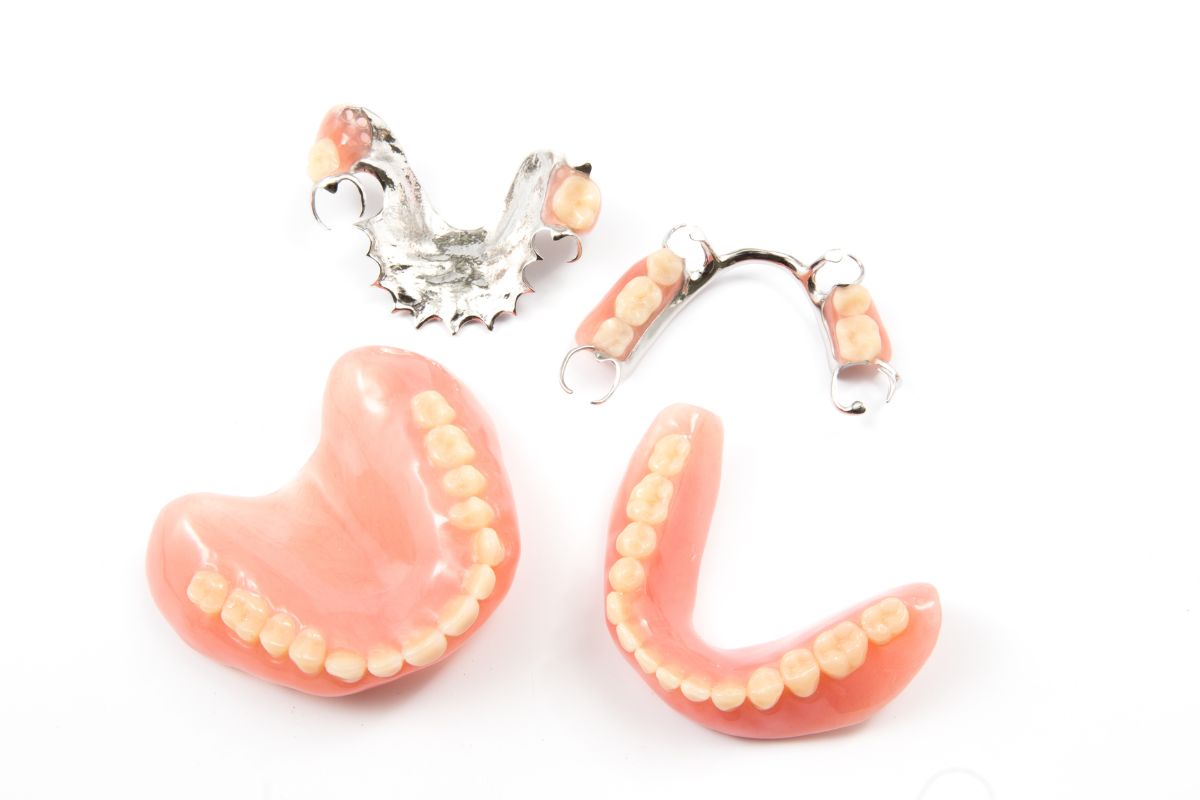
Partial dentures are removable dental appliances designed to replace one or more missing teeth within a dental arch. Unlike full dentures, which replace all teeth in an arch, partial dentures are custom-made to fit around existing natural teeth, anchoring securely in place to restore proper occlusion and functionality.
Construction of Partial Dentures
Partial dentures consist of several components, each carefully crafted to ensure optimal fit, comfort, and functionality:
- Framework: The framework serves as the backbone of the partial denture, providing stability and support. It is typically made of metal, such as cobalt-chromium alloy, or flexible acrylic material, ensuring durability and longevity.
- Acrylic Base: The acrylic base of the partial denture is custom-made to match the color of the patient’s gums, creating a natural-looking appearance. It houses the artificial teeth and attaches to the framework, providing stability and retention.
- Artificial Teeth: The artificial teeth are crafted from durable materials, such as porcelain or acrylic resin, meticulously designed to mimic the shape, size, and color of natural teeth. These teeth are securely attached to the acrylic base, restoring aesthetics and functionality to the smile.
- Clasps or Attachments: Clasps or attachments are incorporated into the partial denture to securely anchor it to adjacent natural teeth, ensuring stability and preventing slippage during chewing and speaking.
How Do Partial Dentures Work for Back Teeth?
When it comes to replacing missing back teeth with partial dentures, several factors come into play to ensure optimal function and comfort:
- Proper Fit and Alignment: Before fabricating the partial denture, precise impressions and measurements are taken to ensure a snug fit and proper alignment with adjacent natural teeth. This helps distribute biting forces evenly across the dental arch, preventing excessive stress on individual teeth and promoting long-term oral health.
- Stability and Retention: The framework of the partial denture, along with strategically placed clasps or attachments, provides stability and retention, keeping the appliance securely in place during eating, speaking, and other oral activities. This allows patients to enjoy their favorite foods with confidence and ease.
- Chewing Efficiency: Partial dentures restore the chewing surfaces of missing back teeth, enabling patients to effectively grind and break down food for digestion. By restoring proper occlusion and function, partial dentures help maintain optimal oral health and prevent issues such as jaw pain and temporomandibular joint (TMJ) disorders.
- Speech Articulation: Missing back teeth can affect speech articulation, leading to difficulties in pronouncing certain sounds. Partial dentures fill in the gaps left by missing teeth, improving tongue and lip support and restoring clear and intelligible speech.
Benefits of Partial Dentures for Back Teeth
Partial dentures offer several benefits for patients with missing back teeth:
- Restored Functionality: By replacing missing back teeth, partial dentures restore proper occlusion and chewing function, allowing patients to enjoy a varied and nutritious diet without restrictions.
- Enhanced Aesthetics: Partial dentures not only fill in gaps left by missing teeth but also improve the overall appearance of the smile, boosting confidence and self-esteem.
- Preserved Oral Health: Partial dentures help maintain the alignment of remaining natural teeth, preventing them from shifting out of position and causing bite problems or gum disease.
- Improved Quality of Life: With partial dentures, patients can experience improved oral function, speech articulation, and overall comfort, enhancing their quality of life and well-being.
Considerations for Partial Dentures
While partial dentures offer numerous benefits, it’s essential to consider the following factors:
- Adjustment Period: Like any dental appliance, partial dentures may require a short adjustment period as patients acclimate to wearing them. Minor discomfort or speech changes may occur initially but typically resolve with time.
- Maintenance and Care: Proper maintenance and care are essential to prolonging the lifespan of partial dentures. Patients should follow their dentist’s instructions for cleaning and storage, as well as scheduling regular check-ups for adjustments and repairs as needed.
- Bone Resorption: Over time, the bone structure supporting missing teeth may undergo resorption, leading to changes in facial appearance and denture fit. Regular dental visits allow dentists to monitor for any such changes and make adjustments accordingly.
Ending Thought
In Calistoga, where oral health meets natural beauty, partial dentures stand as a testament to modern dental innovation. By effectively replacing missing back teeth, these versatile appliances restore functionality, aesthetics, and confidence to countless patients seeking solutions for their smiles.
As a dentist committed to serving the oral health needs of this vibrant community, I am proud to offer comprehensive dental solutions, including partial dentures tailored to each patient’s unique needs and preferences.
If you’re considering partial dentures for missing back teeth or seeking personalized dental care, I invite you to schedule a consultation with us today. Together, let’s embark on a journey towards a healthier, happier smile, one that lasts a lifetime.