2436 Foothill Blvd. Suite A Calistoga, CA 94515

Your Teeth Need Protection Right After Cleaning—Here’s Why


Your teeth need protection right after cleaning—here’s why Calistoga patients should pay close attention to what happens in those first few hours. A professional cleaning removes plaque, tartar, and surface stains. But it also leaves your teeth in a temporarily vulnerable state. What you do immediately after your appointment can make a real difference in your long-term oral health.
At Calistoga Dental Group, Dr. Kris Hilado and our team want every patient to get the most from their visit. That means giving you the knowledge to protect your smile once you leave the chair. Read on to learn exactly what to do—and what to avoid—after a professional cleaning.
Why Your Teeth Are More Vulnerable Right After Cleaning in Calistoga
During a professional cleaning, our hygienists remove built-up tartar and polish the tooth surfaces. This process is thorough and effective. However, it temporarily opens up tiny pores in your enamel. Your saliva works to remineralize those surfaces over the next few hours.
This window of vulnerability is real. Staining agents, acidic foods, and bacteria can penetrate more easily during this time. Think of it like freshly cleaned fabric—it absorbs spills faster before it dries completely. Your enamel behaves similarly right after a cleaning session.
Fluoride treatments applied during your cleaning also need time to fully bond to your tooth surfaces. Eating or drinking too soon can wash away that protective layer before it sets. This is especially important for patients who already experience sensitivity or early enamel erosion.
Foods and Drinks to Avoid Right After Your Cleaning
The first 30 minutes after your cleaning are the most critical. Avoid eating or drinking anything during this time if fluoride was applied. Even water can dilute the fluoride treatment before it properly absorbs.
For the first few hours after your appointment, steer clear of these items:
- Dark-pigmented drinks like coffee, tea, and red wine
- Acidic beverages like citrus juices and sodas
- Deeply colored foods like berries, tomato sauce, and soy sauce
- Sticky or sugary snacks that cling to freshly cleaned surfaces
- Very hot or very cold foods if you experience sensitivity
These choices are not permanent restrictions. Think of the hours after your cleaning as a short protective window. Making smart choices during this time helps lock in the results your hygienist worked hard to achieve.
Smart Aftercare Habits to Protect Your Cleaned Teeth
Aftercare is not just about what you avoid. It is also about what positive steps you take. Rinsing gently with water after meals helps clear food debris without irritating your gums. This is a simple habit with a big impact.
Here are the best aftercare habits to follow after your cleaning in Calistoga:
- Wait at least 30 minutes before eating or drinking if fluoride was applied
- Drink plenty of water throughout the day to support remineralization
- Brush gently with a soft-bristled toothbrush that evening
- Use fluoride toothpaste to reinforce enamel strength
- Floss carefully, especially if your gums feel a little tender
- Avoid smoking or using tobacco products, which stain and damage enamel
Sensitivity after a cleaning is common and usually fades within 24 to 48 hours. If you experience pain that lasts beyond two days, contact our team. Persistent discomfort may signal an underlying issue worth addressing promptly.
How Professional Cleanings Connect to Bigger Dental Health Goals
A professional cleaning is not just about aesthetics. It is a foundational part of preventing serious dental problems down the road. Removing tartar buildup reduces your risk of gum disease, cavities, and even tooth loss. Regular cleanings support every other aspect of your oral health plan.
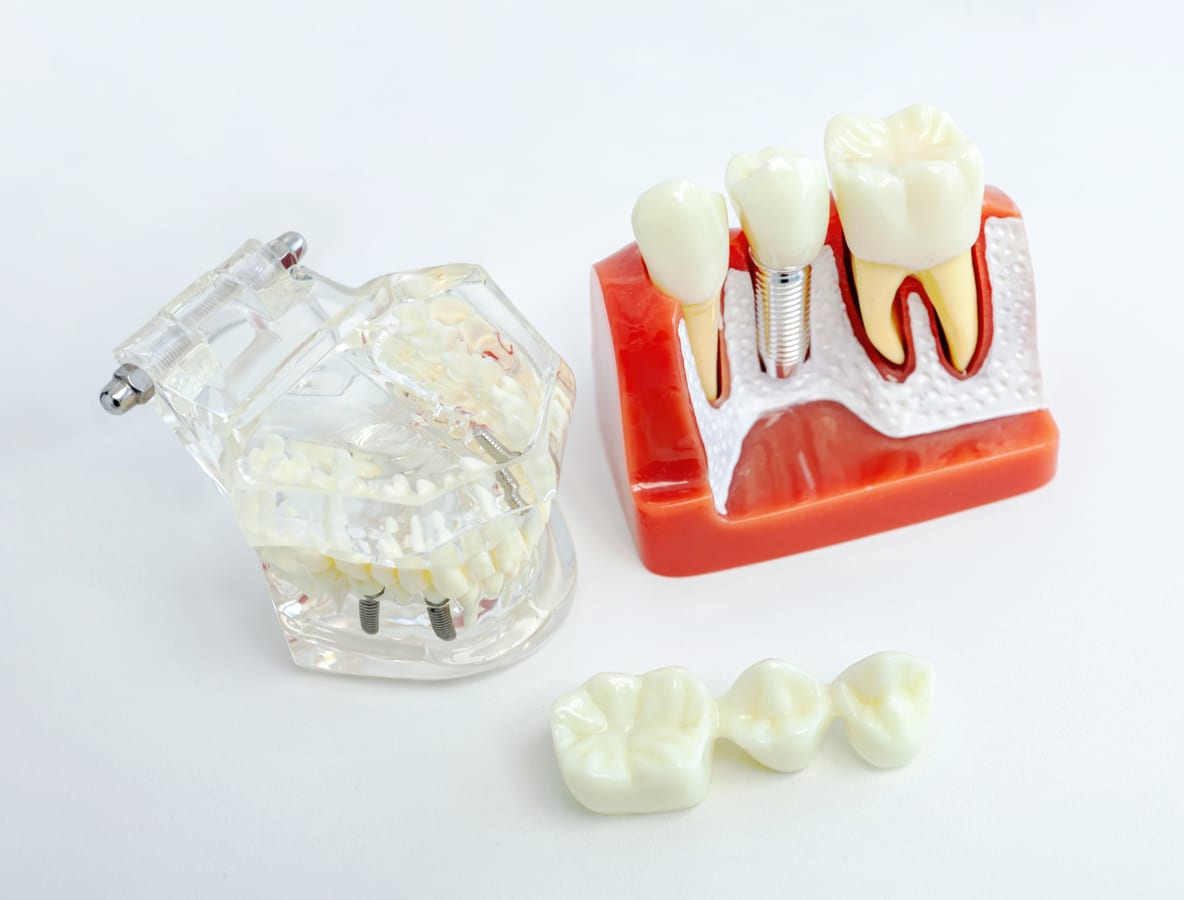
For patients already dealing with more complex dental needs, cleanings become even more essential. If you have ever been advised to look into Dental Implants Calistoga, maintaining clean and healthy surrounding teeth is a key part of that process. Healthy gum tissue and bone support implant success long-term.
Patients with existing restorations like crowns, bridges, or veneers also benefit greatly from regular professional cleanings. Keeping the margins of these restorations clean helps prevent decay from forming underneath them. Your cleaning appointment protects your entire investment in your smile.
Some patients experience recurring sensitivity that may point to issues beyond surface cleaning. If you have been told you may need Root Canal Treatment Calistoga, consistent dental checkups help catch those problems before they escalate. Early intervention is always easier and more affordable than delayed care.
When to Schedule Your Next Cleaning and Checkup
Most adults benefit from professional cleanings every six months. However, some patients need more frequent visits. If you have a history of gum disease, you may need cleanings every three to four months. Your dentist will recommend the right schedule based on your individual needs.
Calistoga patients have access to comprehensive dental care right here in the Napa Valley. You do not need to travel far for expert, compassionate dental services. Dr. Kris Hilado and the Calistoga Dental Group team are committed to keeping your smile healthy at every stage of life.
After your cleaning, mark your next appointment on the calendar before you leave. Consistency is the single most important factor in long-term oral health. Patients who keep regular appointments experience fewer dental emergencies and better overall outcomes.
Conclusion: Protecting Your Smile Starts Right After You Leave the Chair
Your teeth need protection right after cleaning—here’s why this message matters for every Calistoga patient. The effort your hygienist puts into removing buildup and polishing your teeth deserves to be protected. Simple choices in the hours following your appointment can dramatically extend your results.
Avoid staining foods, be gentle with your brushing, stay hydrated, and follow any specific instructions from Dr. Hilado’s team. These are not complicated steps. They are small habits that add up to a healthier, brighter smile over time.
You deserve a dental team that educates you and supports you beyond the appointment itself. That is exactly what we strive to offer at Calistoga Dental Group. Book Now to schedule your appointment with our team.
Frequently Asked Questions
How long should I wait to eat after a professional dental cleaning?
If fluoride was applied during your cleaning, wait at least 30 minutes before eating or drinking anything. After that window, choose soft, non-staining foods for the rest of the day. Avoiding acidic or pigmented foods for a few hours helps protect your freshly cleaned enamel.
Is it normal for my teeth to feel sensitive after a cleaning?
Yes, mild sensitivity after a professional cleaning is completely normal. The polishing process and tartar removal can temporarily expose sensitive areas of the tooth. Sensitivity typically fades within 24 to 48 hours. Contact Dr. Hilado’s team if discomfort lasts longer than two days.
Can I brush my teeth right after a dental cleaning?
You can brush gently later that evening using a soft-bristled toothbrush. Avoid brushing aggressively right after your appointment, especially if your gums feel tender. Use fluoride toothpaste to help reinforce the enamel protection started during your cleaning.
Why do my gums bleed a little after a professional cleaning?
Light gum bleeding after a cleaning is common, especially if you have some early-stage gum inflammation. The hygienist works around the gumline to remove buildup, which can briefly irritate the tissue. This usually resolves within a day or two. If bleeding continues beyond 48 hours, let our team know.
How often should Calistoga patients schedule professional cleanings?
Most patients benefit from a professional cleaning every six months. Those with a history of gum disease or heavy tartar buildup may need visits every three to four months. Dr. Kris Hilado will recommend a cleaning schedule tailored to your specific oral health needs.