2436 Foothill Blvd. Suite A Calistoga, CA 94515

Protect Damaged Teeth With Effective Root Canal Therapy

A painful tooth can affect much more than your smile. Discomfort while eating, sensitivity to temperature, or a constant throbbing sensation can make it difficult to focus on everyday activities. These symptoms may indicate that the inner portion of your tooth needs professional attention. Early evaluation can help identify the problem and prevent it from progressing.
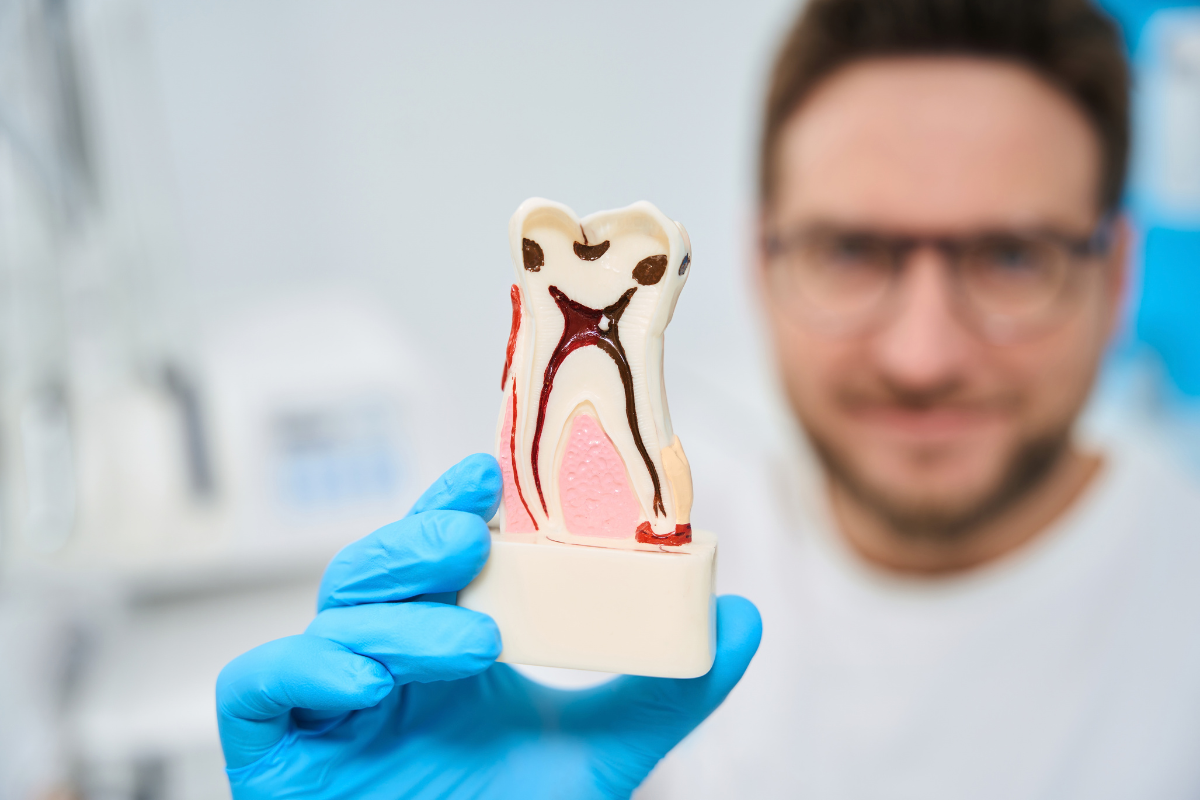
When infection or inflammation reaches the pulp inside a tooth, root canal therapy in Calistoga can provide a way to treat the problem while preserving the natural tooth. Rather than removing the tooth, the procedure focuses on eliminating damaged tissue, cleaning the inside of the tooth, and sealing it to help prevent further infection. A qualified Calistoga dentist can examine your tooth and determine whether this treatment is right for you.
When Is Root Canal Treatment Recommended?
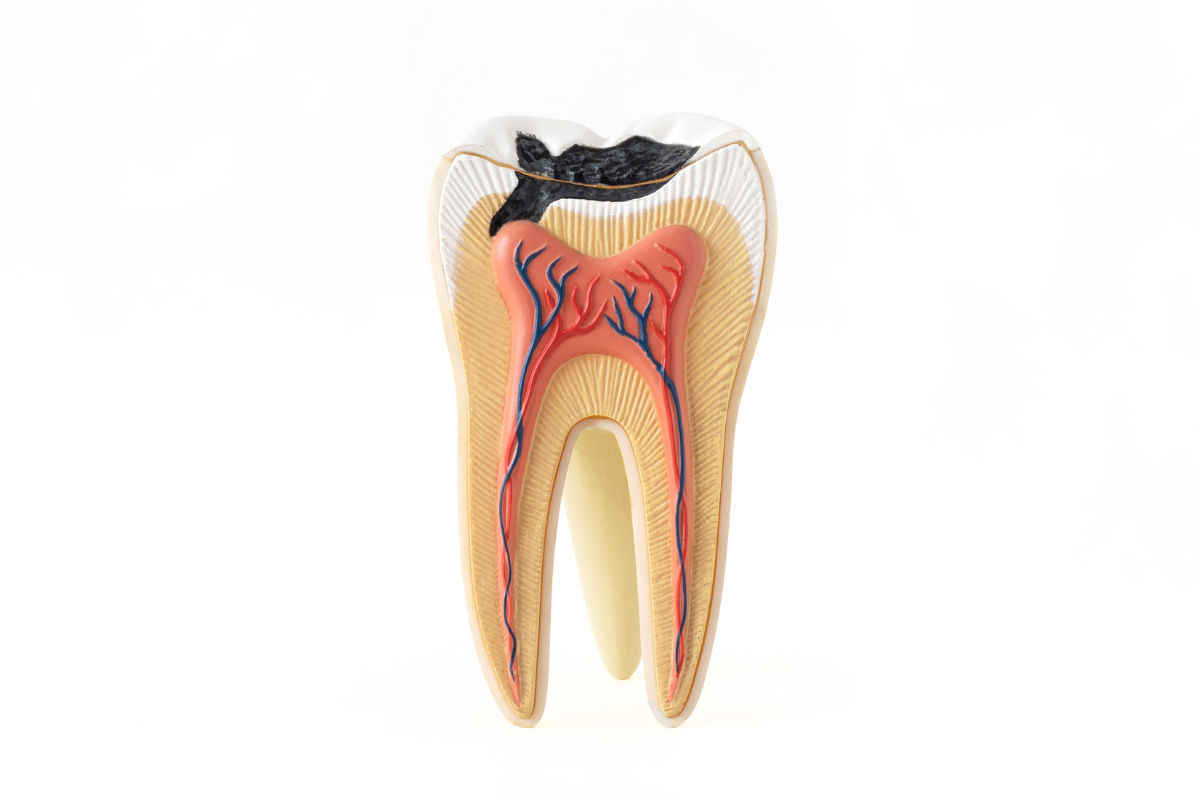
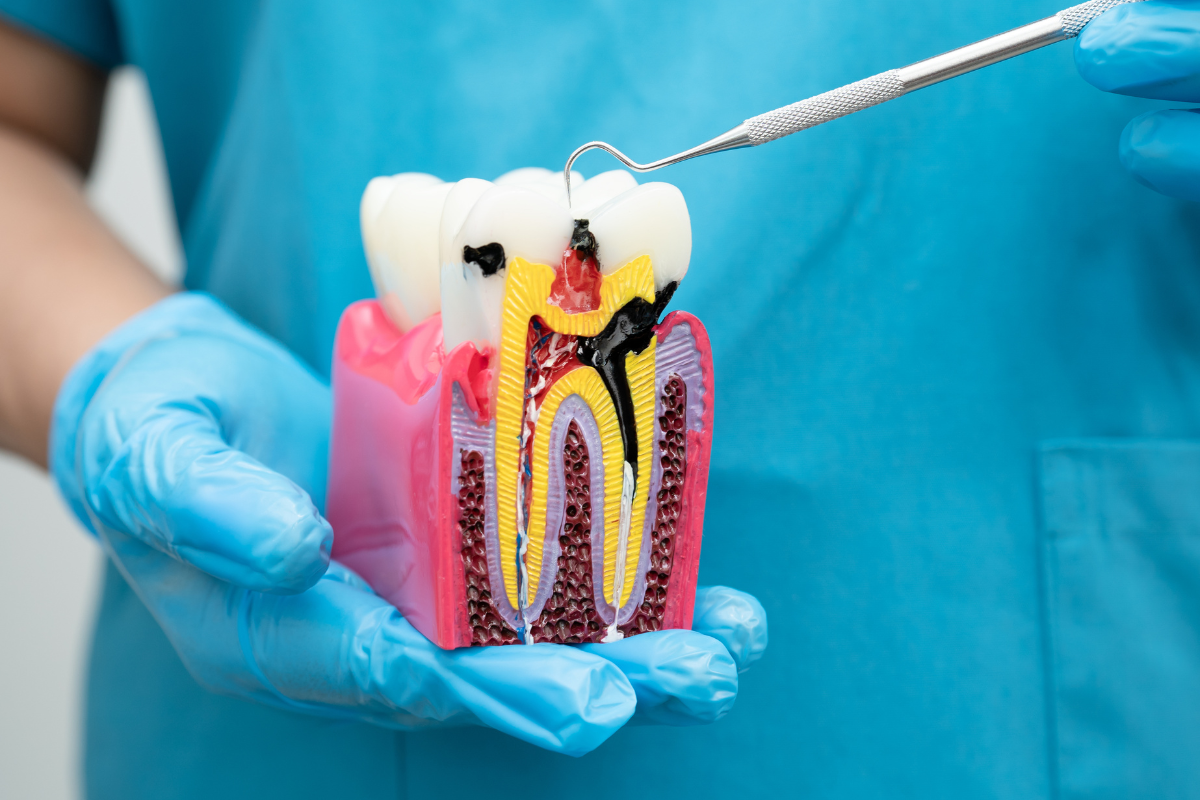
The inner pulp of a tooth contains nerves and blood vessels. Deep decay, cracks, trauma, or repeated dental procedures can allow bacteria to reach this sensitive area. Once infection develops, it may cause discomfort or other noticeable changes.
Common symptoms that may indicate the need for root canal treatment include:
- Ongoing or intense toothache
- Sensitivity to hot or cold that continues after the food or drink is gone
- Discomfort when biting or chewing
- Swollen or tender gums
- A small bump or recurring infection near the tooth
- Tooth discoloration
- Increased sensitivity around a damaged tooth
Some dental infections may develop with few obvious symptoms. This is why regular dental examinations remain important. A Calistoga dentist can use an examination and appropriate diagnostic imaging to identify problems that may not be visible from the outside.
What Can You Expect During a Root Canal?
A root canal is designed to remove infection from inside the tooth while maintaining its useful structure. Your dentist first numbs the area to improve comfort during treatment. A small opening is then made in the tooth so the affected pulp can be removed.
Afterward, the inside of the tooth is carefully cleaned and prepared before being sealed. Depending on the condition and location of the tooth, a crown or another restoration may be recommended to provide additional protection.
Your dentist will explain the treatment process before beginning, including what you can expect afterward and how to care for your restored tooth.
Why Should You Avoid Delaying Treatment?
Tooth pain may sometimes seem to improve temporarily, but that does not necessarily mean the underlying problem has gone away. An untreated infection can continue to affect the surrounding tissues and may eventually make the tooth more difficult to restore.
Choosing root canal therapy in Calistoga when recommended by your dentist may help preserve your natural tooth and support long-term oral function. Seeking care early can also give your dental team more treatment options.
Protect Your Smile With Professional Care
You do not have to ignore persistent dental discomfort. Calistoga Dental Group provides root canal treatment along with comprehensive dental services in a comfortable setting. If you experience tooth pain or other concerning symptoms, schedule an evaluation to learn more about your treatment options and take the next step toward better oral health.
Frequently Asked Question (FAQ’s)
Is root canal treatment painful?
Modern dental techniques and local anesthesia help make treatment more comfortable. Your dentist can also discuss pain-management options based on your needs.
How long does root canal treatment take?
Treatment time varies depending on the tooth and the complexity of the infection. Your dentist can provide a more specific estimate after examining your tooth.
Can a root canal save my natural tooth?
In many cases, root canal treatment can remove infected tissue while allowing the natural tooth to remain in place. Your Calistoga dentist can determine whether the tooth can be successfully restored.
What should I do if I have severe tooth pain?
Contact a dental office promptly for an evaluation. Avoid delaying care if you have persistent pain, swelling, or other signs of infection.