2436 Foothill Blvd. Suite A Calistoga, CA 94515

Dental Implant Recovery Timeline & Care

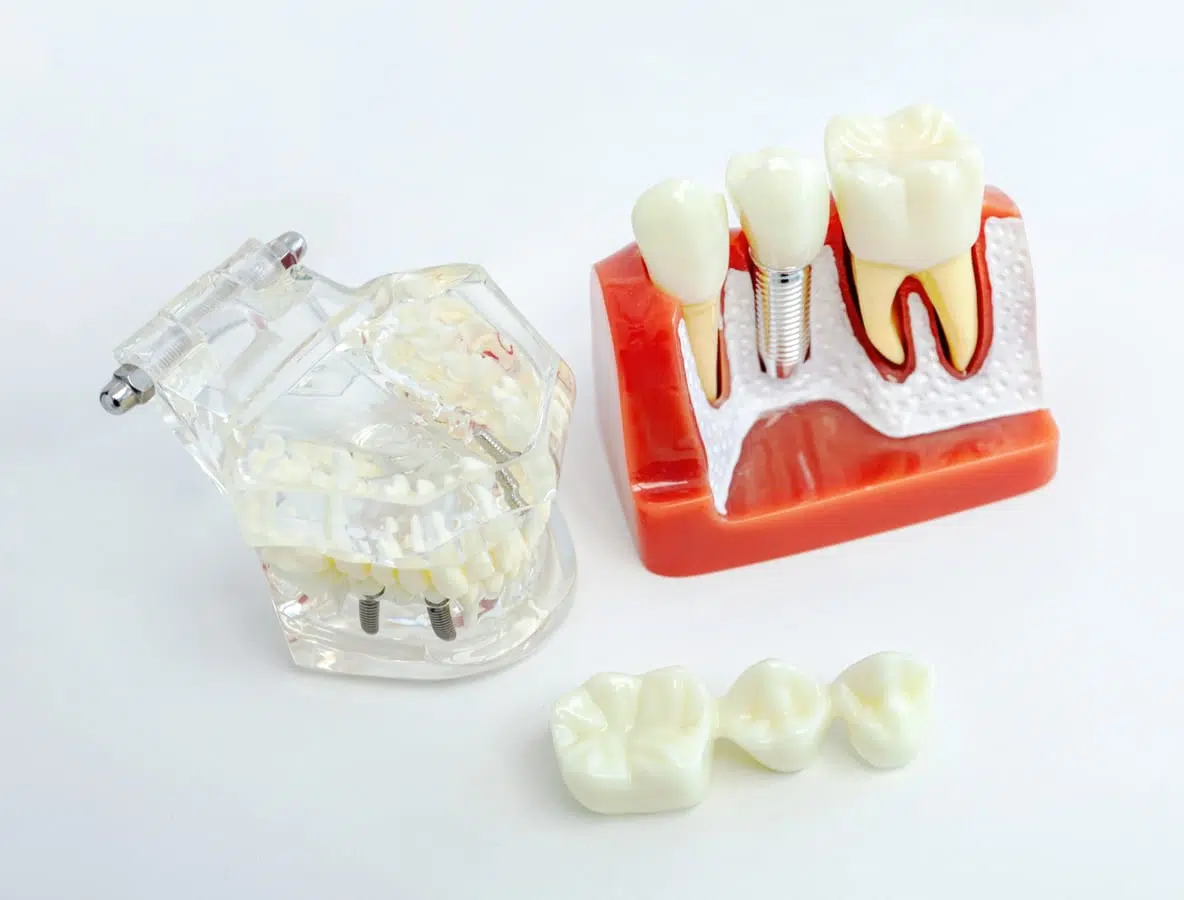
Understanding what to expect during dental implant recovery is essential for a smooth healing process. This timeline and care guide walks you through every stage. Knowing what is normal helps reduce anxiety and supports better outcomes. Our dental team at Calistoga Dental Group is here to make your recovery as comfortable as possible.
Dental implants are a long-term investment in your smile and oral health. The recovery process requires patience and consistent care. Following your aftercare instructions closely will protect your results. This guide covers everything from the first 24 hours to long-term maintenance.
Your Dental Implant Recovery Timeline: Week by Week
Recovery after dental implant placement happens in stages. Each stage involves different levels of healing and different care needs. Understanding the timeline helps you plan your schedule and manage expectations.
Days 1–3 are the most intense part of recovery. Swelling, mild bleeding, and discomfort are all normal during this period. Your body is responding to the surgical procedure. Rest and careful oral hygiene are critical during these first few days.
Days 4–7 bring noticeable improvement for most patients. Swelling begins to decrease and discomfort becomes more manageable. You may still feel some tenderness around the implant site. Soft foods and gentle rinsing remain important during this phase.
Weeks 2–4 mark a significant shift in healing. The gum tissue begins to close around the implant. Most patients return to their regular daily activities during this period. However, the bone is still fusing with the implant beneath the surface.
Months 2–6 involve a process called osseointegration. This is when the implant post bonds directly with your jawbone. This phase is crucial for the long-term stability of your implant. Your dental team will monitor your progress with scheduled check-ups.
What to Eat During Dental Implant Recovery
Your diet plays a major role in how well you heal after implant surgery. Eating the wrong foods can irritate the surgical site or dislodge a blood clot. A soft-food diet protects the area and supports faster healing.
Here are smart food choices for the first week of recovery:
- Smoothies and protein shakes (no straws)
- Mashed potatoes and soft vegetables
- Yogurt, applesauce, and pudding
- Scrambled eggs and soft-cooked fish
- Oatmeal and lukewarm soups
Avoid hard, crunchy, chewy, or spicy foods during early recovery. These can irritate tissues and increase inflammation. Also avoid extremely hot or cold foods that may cause sensitivity. Gradually reintroduce firmer foods as healing progresses past the first week.
Staying hydrated is equally important for recovery. Water supports tissue regeneration and overall healing. Avoid alcohol and carbonated drinks during the initial healing phase. Both can interfere with the healing process and increase discomfort.
Managing Pain and Swelling After Implant Surgery
Some discomfort after dental implant placement is completely expected. The level of pain varies depending on the complexity of your procedure. Most patients find that over-the-counter pain relievers manage symptoms effectively. Your dental team may also prescribe medication for more significant discomfort.
Follow these tips to manage swelling and pain at home:
- Apply an ice pack to your cheek for 20 minutes on, 20 minutes off during the first 48 hours
- Keep your head elevated when resting or sleeping
- Take prescribed or recommended pain medication on schedule
- Avoid physical exertion for at least 48–72 hours after surgery
- Rinse gently with warm salt water starting 24 hours after surgery
Do not use a straw, smoke, or spit forcefully after surgery. These actions create suction that can disrupt healing and cause complications. Smoking in particular significantly slows down the osseointegration process. If you smoke, speak with our dental team about strategies to support your healing.
Most swelling peaks around 48 hours after surgery and then gradually decreases. Bruising around the jaw or cheek is also normal in some patients. If swelling, pain, or bleeding worsens after the third day, contact your dental team promptly. These could be signs of infection or other complications that need attention.
Long-Term Care Tips to Protect Your Dental Implant
Once your implant has fully integrated, it functions just like a natural tooth. However, long-term success still depends on consistent oral hygiene and regular dental visits. Proper care extends the life of your implant for decades or longer.
Daily care routines for dental implant patients should include:
- Brushing twice daily with a soft-bristled toothbrush
- Using non-abrasive toothpaste to avoid scratching the crown surface
- Flossing daily around the implant with implant-specific floss or a water flosser
- Rinsing with an alcohol-free antimicrobial mouthwash
Avoid using your implant as a tool to open packaging or bite hard objects like ice. These habits can crack the crown or damage the implant structure. Even though implants are durable, they still need to be treated with care. Protecting your implant preserves both function and appearance over time.
Regular dental check-ups are essential after implant placement. Our dental team will take periodic X-rays to monitor bone levels around the implant. Professional cleanings remove plaque that builds up around the implant base. Consistent appointments catch any early issues before they become serious problems.
Signs of Complications to Watch For
Most dental implant recoveries proceed without significant issues. However, knowing the warning signs of complications is important. Early detection leads to faster treatment and better outcomes.
Contact your dental team right away if you notice any of the following:
- Increasing pain or swelling after the third day of recovery
- Fever or chills that suggest infection
- Implant feeling loose or shifting
- Persistent numbness or tingling in the jaw or lips
- Pus or unusual discharge near the implant site
These symptoms do not necessarily mean your implant has failed. Many complications can be resolved quickly with the right intervention. Prompt communication with your dental team is always the best approach. Never ignore symptoms that seem unusual or worsening.
Conclusion
Dental implant recovery is a gradual process that rewards patience and careful self-care. By following a structured timeline and recovery routine, you give your implant the best chance for long-term success. Our dental team at Calistoga Dental Group is committed to guiding you through every step of the journey. Learn More about how we can help you.
Frequently Asked Questions
How long does dental implant recovery typically take?
Initial healing of the gum tissue usually takes two to four weeks. Full osseointegration — where the implant bonds with the jawbone — can take three to six months. The exact timeline depends on your overall health, bone density, and the complexity of the procedure. Your dental team will track your progress at each follow-up visit.
Is dental implant recovery very painful?
Most patients experience mild to moderate discomfort during the first few days after surgery. Over-the-counter pain relievers and prescribed medication typically manage this effectively. Swelling and bruising are normal and usually peak around 48 hours before improving. If pain worsens after the third day, contact your dental team right away.
When can I eat normally after a dental implant?
Soft foods are recommended for at least the first week after implant placement. You can gradually reintroduce firmer foods as healing progresses and discomfort decreases. Most patients return to a mostly normal diet within two to four weeks. Avoid very hard or chewy foods until your dental team gives you the go-ahead.
What should I avoid during dental implant recovery?
Avoid smoking, drinking through a straw, and eating hard or crunchy foods during early recovery. Also avoid strenuous physical activity for the first 48 to 72 hours. Alcohol and hot beverages can also slow healing and increase inflammation. Follow all post-operative instructions provided by your dental team for the best results.
How do I clean around my dental implant during recovery?
Start gentle warm saltwater rinses 24 hours after surgery to keep the area clean. Brush softly around the implant site once it is no longer too tender to touch. Your dental team may recommend a specific antimicrobial rinse for the healing period. Avoid aggressive brushing or flossing directly at the surgical site until it has healed.