2436 Foothill Blvd. Suite A Calistoga, CA 94515

Get Your Bite Back: The Ultimate Guide to Implant Dentistry


A radiant smile is not merely a reflection of aesthetics; it’s a cornerstone of confidence and overall well-being. For those grappling with the challenges of missing teeth, the journey from a compromised smile to one that is complete, functional, and natural brings them to the realm of implant dentistry. This comprehensive guide embarks on an exploration of the transformative world of dental implants. From unraveling the fundamentals to delving into the step-by-step implant placement process and understanding the benefits, this guide serves as a beacon for individuals seeking to reclaim their smiles and restore the vitality of their oral health. Join us on this odyssey through implant dentistry, where the quest for a fully functional and radiant smile begins.
Understanding Implant Dentistry
The Foundation for a Lasting Smile
What Are Dental Implants?
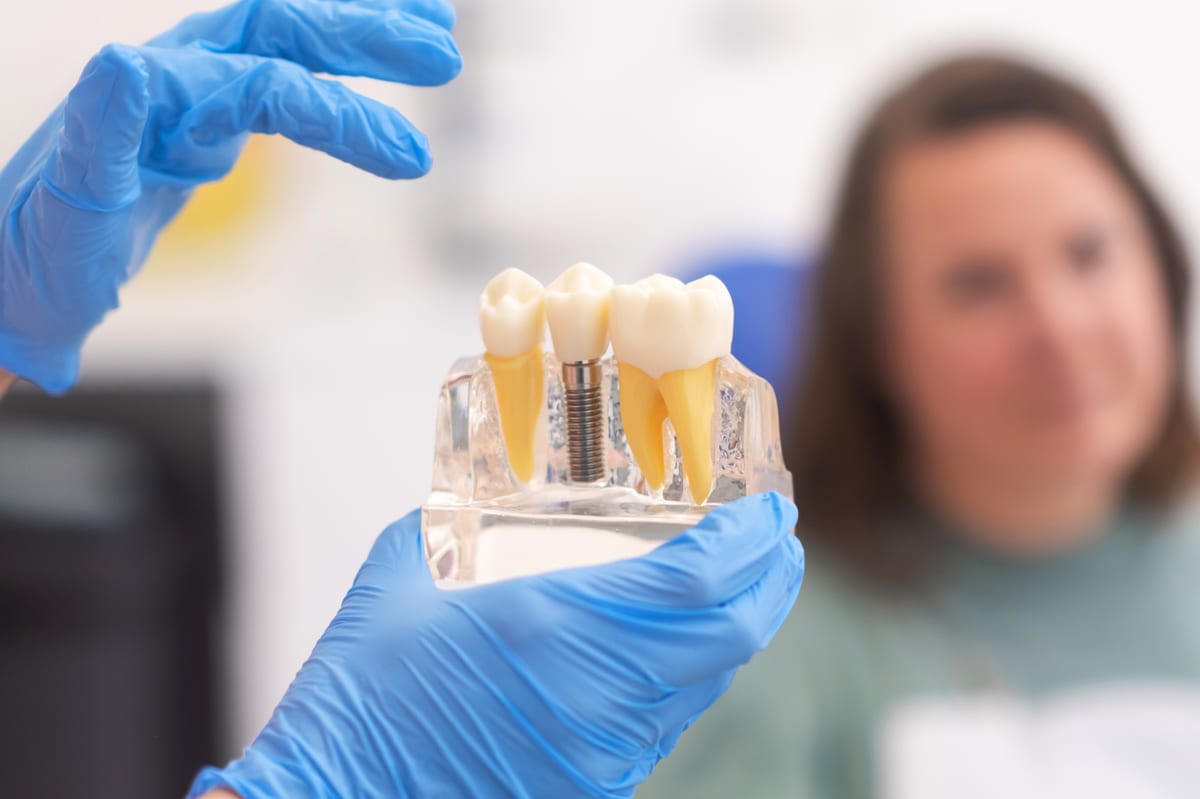
Dental implants are artificial tooth roots, typically made of biocompatible materials like titanium, surgically implanted into the jawbone to support replacement teeth.
Components of Dental Implants:
Dental implants consist of three main parts – the implant itself, an abutment connecting the implant to the artificial tooth, and the prosthetic tooth or crown.
The Benefits of Dental Implants
Beyond Aesthetics: Functional and Aesthetic Advantages
- Natural Look and Feel: Dental implants are designed to mimic the appearance and function of real teeth, providing a seamless and natural-looking smile.
- Preservation of Jawbone: Unlike other tooth replacement options, dental implants stimulate the jawbone, preventing bone loss and preserving facial structure over time.
- Enhanced Comfort and Stability: Dental implants offer stability and comfort, eliminating concerns about slipping or discomfort associated with dentures.
The Implant Placement Process
A Step-by-Step Guide to Smile Restoration
- Initial Consultation: The journey begins with a thorough consultation, where the implant dentist assesses the patient’s oral health, discusses expectations, and formulates a personalized treatment plan.
- Surgical Implant Placement: During the surgical phase, the implant is precisely placed into the jawbone. Local anesthesia or sedation is often used to ensure a comfortable experience for the patient.
- Osseointegration: Bonding with the Jawbone: Over several months, the implant undergoes osseointegration – a natural process where it fuses with the jawbone, providing a stable foundation for the prosthetic tooth.
- Abutment Placement: After osseointegration, an abutment is attached to the implant, serving as a connector between the implant and the prosthetic tooth.
- Prosthetic Tooth Attachment: The final step involves the placement of a custom-made prosthetic tooth or crown onto the abutment, completing the restoration process.
Candidacy for Dental Implants
Assessing Eligibility for a Lasting Solution
- Adequate Bone Density: There should be enough bone density in the jaw for the success of dental implants. Bone grafts may be recommended for individuals with insufficient bone.
- Good Oral Health: Candidates should maintain good oral health, with no active gum disease or other conditions that may compromise the success of the implants.
Types of Dental Implants
Customized Solutions for Unique Needs
- Endosteal Implants: These are the most common type of dental implants, directly placed into the jawbone.
- Subperiosteal Implants: Placed on top of the jawbone, these implants are suitable for patients with insufficient natural bone height.
- All-on-4 Implants: A comprehensive solution for full arch restoration, using four strategically placed implants to support a complete set of teeth.
Choosing the Right Implant Dentist
Expertise and Experience Matter
- Specialized Training: Opt for an implant dentist with specialized training and extensive experience in dental implant procedures.
- Patient Testimonials: Reading patient testimonials and viewing before-and-after photos can provide insights into the experiences of others who have undergone dental implant treatment.
Caring for Dental Implants
Longevity Through Proper Maintenance
- Routine Oral Hygiene: Regular brushing, flossing, and professional cleanings are essential to maintain the health and longevity of dental implants.
- Avoiding Habits that Can Compromise Implants: Patients are advised to avoid habits like smoking and excessive teeth grinding, as these can compromise the success and longevity of dental implants.
The Cost of Dental Implants
Investing in Long-Term Oral Health
- Factors Influencing Cost: The cost of dental implants can vary based on factors such as the number of implants needed, the type of prosthetic teeth, and any additional procedures required.
- Long-Term Value: While the initial cost may seem higher than other options, dental implants offer long-term value, durability, and a natural appearance that can outweigh the initial investment.
Dental implants stand as a testament to modern dentistry’s ability to restore not just smiles but also the confidence and functionality of natural teeth. From the initial consultation to the final prosthetic attachment, the journey of implant dentistry is a comprehensive and personalized experience. For those seeking to get their bite back and enjoy the benefits of a radiant, functional smile, dental implants present a lasting solution that goes beyond aesthetics. Embrace the transformative power of dental implants – the ultimate guide to restoring your smile and reclaiming a lifetime of confident and comfortable oral health.