2436 Foothill Blvd. Suite A Calistoga, CA 94515

Porcelain vs. Composite Veneers: Which Lasts Longer and Costs Less

If you’ve been researching a smile makeover, you’ve likely come across two popular options: porcelain veneers and composite resin veneers. Patients in Calistoga often ask Dr. Kris Hilado the same question — when it comes to porcelain vs. composite veneers, which lasts longer and costs less in Calistoga? The honest answer depends on your goals, timeline, and budget. This guide breaks down both options clearly so you can make a confident, informed decision.
What Are Porcelain and Composite Veneers?
Veneers are thin shells bonded to the front surface of your teeth. They correct chips, stains, gaps, and uneven shapes. Both types serve the same cosmetic purpose, but they differ in material, process, and long-term results.
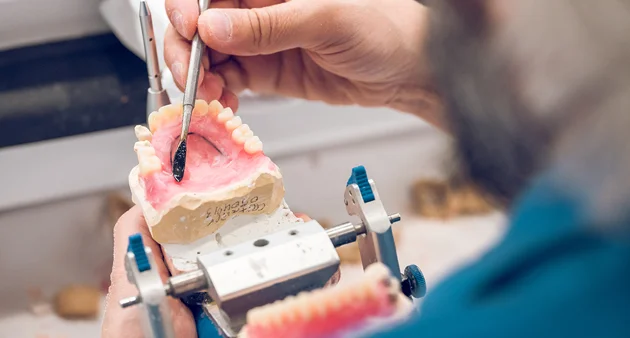
Porcelain veneers are custom-crafted from dental-grade ceramic. A dental lab fabricates each shell to match your tooth’s exact shape and shade. They require two or more visits to complete.
Composite resin veneers use a tooth-colored material applied directly to your tooth. Dr. Hilado sculpts and polishes the material in a single appointment. No lab work is required, which makes the process faster and more affordable upfront.
Porcelain vs. Composite Veneers: Aesthetics and Natural Appearance
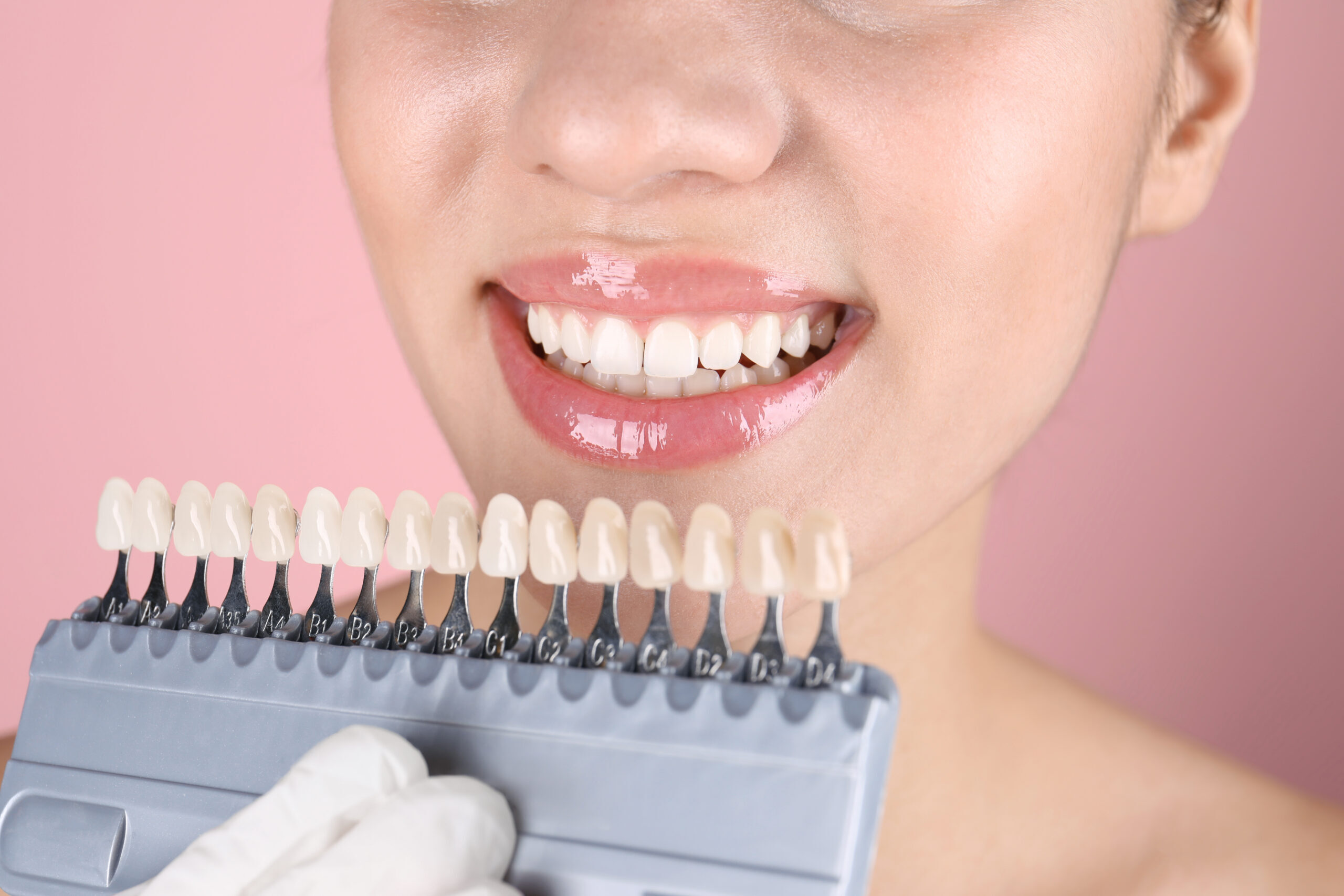
When comparing these two options, aesthetics often top the list of priorities. Porcelain mimics the light-reflecting properties of natural enamel. It produces a remarkably lifelike result that resists staining over time.
Composite resin has improved significantly in recent years. Skilled dentists like Dr. Hilado can craft beautiful, natural-looking results with composite. However, composite is more porous than porcelain and can discolor with coffee, wine, and tobacco use.
Here is a quick aesthetic comparison:
- Porcelain: Highly translucent, stain-resistant, lab-customized shade matching
- Composite: Good aesthetics, shade-matched chairside, more prone to surface staining
- Winner for aesthetics: Porcelain, especially for front teeth visibility
That said, composite remains an excellent choice for minor corrections and budget-conscious patients.
Durability and Longevity: Which Veneer Lasts Longer?
Durability is one of the biggest factors in choosing between these two materials. Porcelain veneers typically last 10 to 15 years with proper care. Some patients enjoy them for even longer with regular dental checkups.
Composite veneers generally last 5 to 7 years before needing touch-ups or replacement. They are more susceptible to chipping and wear from everyday use. However, composite is also much easier — and less expensive — to repair when damage occurs.
Key durability facts to consider:
- Porcelain is harder and more resistant to daily wear
- Composite can chip more easily but is repairable chairside
- Both require good oral hygiene habits to extend their lifespan
- Avoiding teeth grinding protects both veneer types
Patients who grind their teeth may benefit from a custom nightguard regardless of which veneer type they choose.
Cost Comparison: Which Option Costs Less in Calistoga?
Cost is often the deciding factor for many Calistoga patients. Composite veneers are significantly less expensive upfront. Per tooth, composite typically costs $250 to $1,500 depending on complexity and location.
Porcelain veneers carry a higher initial investment. Expect to pay $900 to $2,500 per tooth for high-quality porcelain. The lab fabrication process and custom design contribute to this higher cost.
However, the long-term picture changes the math. Porcelain lasts nearly twice as long as composite. Over a 15-year period, composite may require two or three rounds of replacement, which can add up.
Think of it this way: composite costs less now, but porcelain may cost less over a lifetime. Your dentist at Calistoga Dental Group can help you weigh these trade-offs during a consultation.
The Procedure: What to Expect With Each Option
Understanding the process helps set realistic expectations before you commit. The composite procedure is simpler and completed in one visit. Dr. Hilado applies the resin directly to your teeth, shapes it carefully, then cures it with a special light.
The porcelain process involves more steps. First, a small amount of enamel is removed to make room for the veneer. Impressions are sent to a dental lab, and you wear temporary veneers while your custom shells are crafted. You return for bonding once the lab completes your veneers.
Here is a step-by-step look at each procedure:
- Composite: Consultation → tooth preparation → resin application → shaping → curing → polishing — all in one visit
- Porcelain: Consultation → enamel reduction → impressions → temporary veneers → lab fabrication → bonding appointment
Both options require minimal recovery. Most patients return to normal activities the same day. Porcelain requires a slightly longer commitment due to the lab timeline, usually two to three weeks.
Which Veneer Is Right for You in Calistoga?
The best choice depends entirely on your individual situation. If you want the most durable, natural-looking result and can invest more upfront, porcelain is an excellent choice. It is especially suited for patients planning a comprehensive smile makeover.
If you want fast results, a lower upfront cost, or you need a minor correction, composite resin is a smart option. It is also ideal for younger patients whose smiles are still maturing, since less enamel is removed.
Patients who have experienced significant tooth loss may also want to explore Dental Implants Calistoga as part of a broader restoration plan. Veneers only improve the appearance of existing teeth — they do not replace missing ones.
Dr. Hilado takes time during every consultation to understand your smile goals. He reviews your dental health, discusses both options honestly, and recommends what will serve you best long-term.
Caring for Your Veneers After Treatment
Proper aftercare extends the life of both veneer types. Brush twice daily with a non-abrasive toothpaste. Floss carefully around each veneer to prevent gum issues.
Avoid biting hard objects like ice or pen caps. Limit staining beverages like coffee and red wine, especially with composite veneers. Schedule regular dental checkups so Dr. Hilado can monitor your veneers and address small issues early.
If you ever experience tooth pain or sensitivity alongside cosmetic concerns, it is important to address that first. Some patients also ask about Root Canal Treatment Calistoga when underlying tooth health needs attention before cosmetic work begins.
Conclusion: Making the Right Choice for Your Smile
Both porcelain and composite veneers offer real, lasting cosmetic improvement. Porcelain wins on durability and aesthetics. Composite wins on cost and convenience. Neither is objectively better — the right choice depends on your smile goals, dental health, and budget.
Dr. Kris Hilado and the team at Calistoga Dental Group are here to guide you through every step. You deserve a smile that feels as good as it looks. Book Now to schedule your appointment with our team.
Frequently Asked Questions
How long do porcelain veneers last compared to composite?
Porcelain veneers typically last 10 to 15 years with proper care. Composite veneers last around 5 to 7 years before needing touch-ups or replacement. Regular dental checkups help extend the life of both options.
Can composite veneers be repaired if they chip?
Yes, composite veneers are much easier to repair than porcelain. A dentist can add or reshape composite resin chairside in a single visit. Porcelain veneers that crack or chip usually require full replacement since the ceramic cannot be repaired the same way.
Do veneers damage your natural teeth?
Porcelain veneers require removing a small amount of enamel to create room for the shell. This process is irreversible, which is why porcelain is considered a permanent commitment. Composite veneers typically require little to no enamel removal, making them a more conservative option.
Are veneers a good option if I have missing teeth?
Veneers only improve the appearance of existing natural teeth. If you have missing teeth, dental implants or bridges may be a better starting point. Dr. Hilado can recommend the right combination of treatments during your consultation at Calistoga Dental Group.
How do I know whether porcelain or composite is right for me?
The best way to decide is through a personalized consultation with Dr. Kris Hilado. He will assess your oral health, discuss your aesthetic goals, and help you weigh cost versus longevity. Both options can deliver beautiful results when chosen for the right reasons.