2436 Foothill Blvd. Suite A Calistoga, CA 94515

Why a Dental Abscess Can Turn Into a Medical Emergency

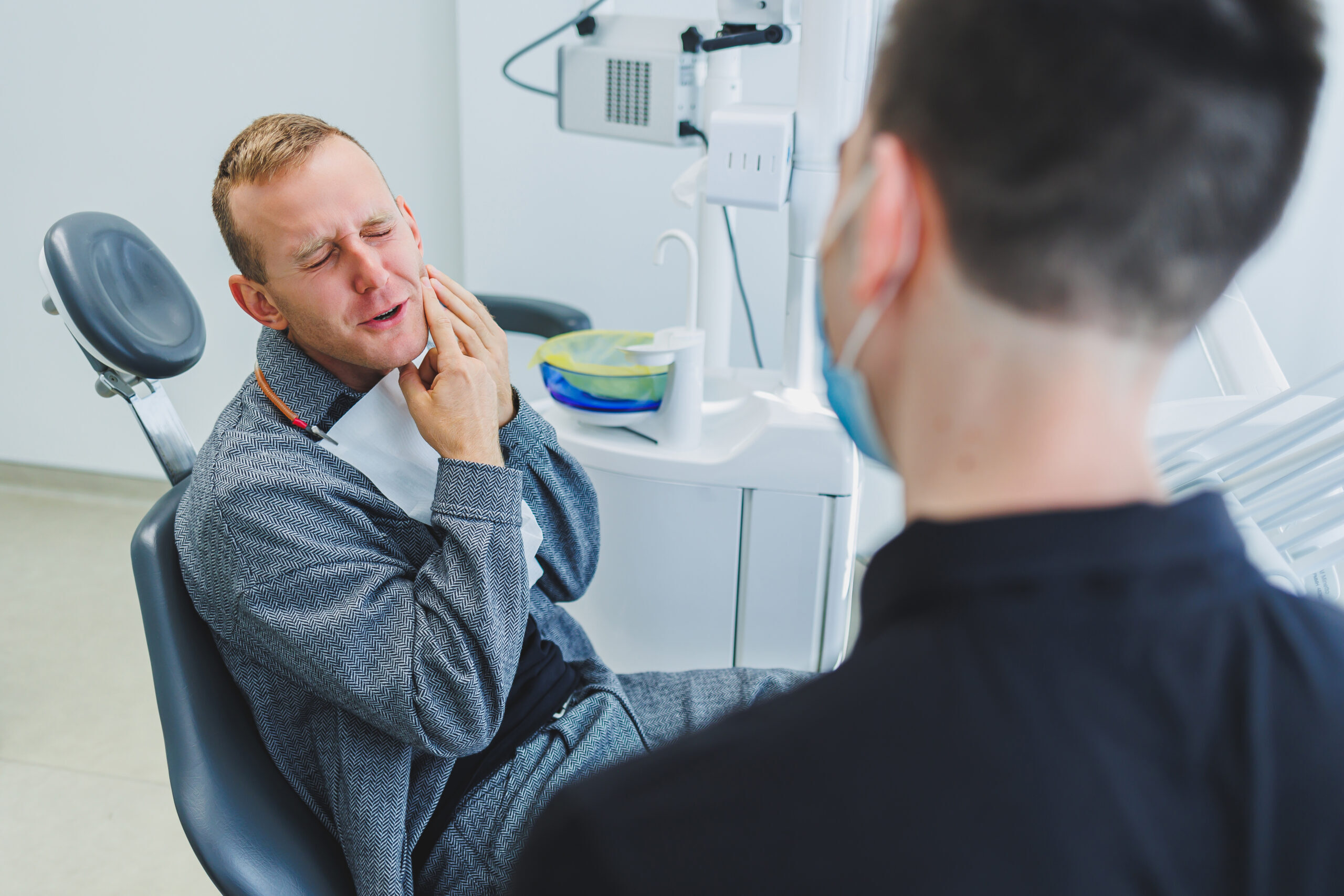
A toothache that throbs, swells, and worsens overnight is more than just discomfort. Understanding why a dental abscess can turn into a medical emergency in Calistoga may save your life. Many people wait too long, hoping the pain will pass. It rarely does — and the consequences of waiting can be severe.
At Calistoga Dental Group, Dr. Kris Hilado sees patients who have ignored warning signs for days or weeks. This article explains what a dental abscess is, how it feels, why it spreads, and when it crosses the line into a true emergency.
What Is a Dental Abscess and Why Does It Happen?
A dental abscess is a pocket of pus caused by a bacterial infection. It can form at the root of a tooth or in the surrounding gum tissue. The infection typically starts when bacteria enter the tooth through a cavity, crack, or gum disease.
Your immune system fights the bacteria, but it cannot always win without help. When it fails, pus builds up under pressure. That pressure causes the intense, pulsing pain most patients describe. Left untreated, the infection does not stay in one place.
Common causes of a dental abscess include:
- Untreated tooth decay that reaches the pulp
- A cracked or chipped tooth that allows bacteria inside
- Severe gum disease that creates deep pockets near roots
- A previous dental injury that was never fully treated
- A failed or compromised dental restoration
Anyone can develop an abscess. However, people who delay routine care are at higher risk. Regular dental checkups help Dr. Hilado catch decay and gum issues before they progress to infection.
How to Recognize a Dental Abscess in Calistoga
The symptoms of a dental abscess are hard to miss once they start. Knowing what to look for helps you act quickly. Early action can mean the difference between a simple treatment and a hospital visit.
Watch for these warning signs:
- Severe, throbbing toothache that does not stop
- Sensitivity to hot, cold, or biting pressure
- Swelling in your cheek, jaw, or neck
- A bump that looks like a pimple on your gum
- Fever, chills, or a general feeling of illness
- Difficulty swallowing or breathing — this is a red flag
- Swollen lymph nodes under your jaw or neck
Facial swelling combined with fever signals that the infection is spreading. Do not wait until your next scheduled appointment if these symptoms appear. Contact an emergency dentist right away.
Why a Dental Abscess Can Turn Into a Medical Emergency in Calistoga
A dental abscess becomes a medical emergency when the infection spreads beyond the tooth. Bacteria can travel through soft tissue, bone, and even the bloodstream. This process can happen within hours in some cases.
One of the most dangerous complications is Ludwig’s angina. This is a serious infection that spreads to the floor of the mouth and neck. It can block your airway if not treated immediately. People have died from untreated dental abscesses reaching this stage.
Sepsis is another life-threatening risk. This happens when bacteria enter the bloodstream and trigger a body-wide inflammatory response. Sepsis can cause organ failure and requires intensive hospital care. It is rare but entirely preventable when dental infections are treated early.
Brain abscesses have also been linked to untreated dental infections. Bacteria can travel upward through the jaw and into surrounding tissue near the skull. These cases are uncommon, but they are well-documented in medical literature. No one in Calistoga should take that risk.
If you feel difficulty breathing, swallowing, or notice rapid facial swelling, go to the emergency room immediately. Then follow up with Dr. Hilado for definitive dental treatment as soon as possible.
How Dentists Treat a Dental Abscess
Treatment depends on the severity and location of the infection. Dr. Hilado will first examine the affected tooth and take X-rays. This helps determine how far the infection has spread and what treatment is needed.
The most common treatment for an abscessed tooth is Root Canal Treatment Calistoga. During this procedure, Dr. Hilado removes the infected pulp from inside the tooth. The canal is then cleaned, shaped, and sealed to prevent reinfection. Most patients feel significant relief quickly after this procedure.
In some cases, the tooth cannot be saved. Extraction may be necessary to remove the source of infection entirely. After extraction, patients may explore tooth replacement options such as Dental Implants Calistoga to restore function and appearance.
Antibiotics are often prescribed alongside dental treatment. However, antibiotics alone will not cure a dental abscess. The source of infection must be removed or drained. Relying on antibiotics without dental care is a common and dangerous mistake.
After treatment, Dr. Hilado will recommend a follow-up plan. This may include additional monitoring, a dental crown to protect the treated tooth, or hygiene guidance to prevent future infections.
Emergency Dentistry at Calistoga Dental Group
Calistoga Dental Group offers emergency dentistry for patients who need urgent care. Dr. Kris Hilado and the team are trained to handle dental abscesses and other acute dental problems. You do not need to suffer through a weekend or wait weeks for an appointment.
Acting fast protects your health and often saves the tooth. The longer an abscess goes untreated, the fewer options remain. Early intervention is almost always less invasive, less costly, and less stressful than advanced treatment.
If you are in pain right now, call us or book online. Calistoga patients with urgent dental needs are our priority. Do not minimize what your body is telling you — an abscess is a signal to act.
Taking care of your oral health today protects your overall health tomorrow. Book Now to schedule your appointment with our team.
Frequently Asked Questions
Can a dental abscess go away on its own?
No. A dental abscess will not resolve without treatment. The infection may temporarily drain, which reduces pain, but the bacteria remain. The infection will return and likely spread further without professional dental care.
How quickly can a dental abscess become dangerous?
An abscess can become life-threatening within days if left untreated. Spreading to the neck or jaw can happen rapidly, especially in people with weakened immune systems. Fever and swelling are signs you need care immediately.
Is a dental abscess the same as a regular toothache?
No. A toothache is usually sensitivity or pain from a specific trigger. An abscess involves active bacterial infection and persistent throbbing pain. An abscess often comes with swelling, fever, and a bad taste in the mouth from draining pus.
What should I do if I cannot see a dentist right away?
If you have severe swelling, fever, or difficulty breathing, go to the emergency room immediately. For mild symptoms, rinse with warm salt water and avoid very hot or cold foods. Contact Calistoga Dental Group as soon as possible for an emergency appointment.
Can children develop dental abscesses?
Yes, children can develop dental abscesses just like adults. Untreated cavities in baby teeth are a common cause. Parents should watch for facial swelling, persistent toothache, or fever in children and seek dental care right away.